

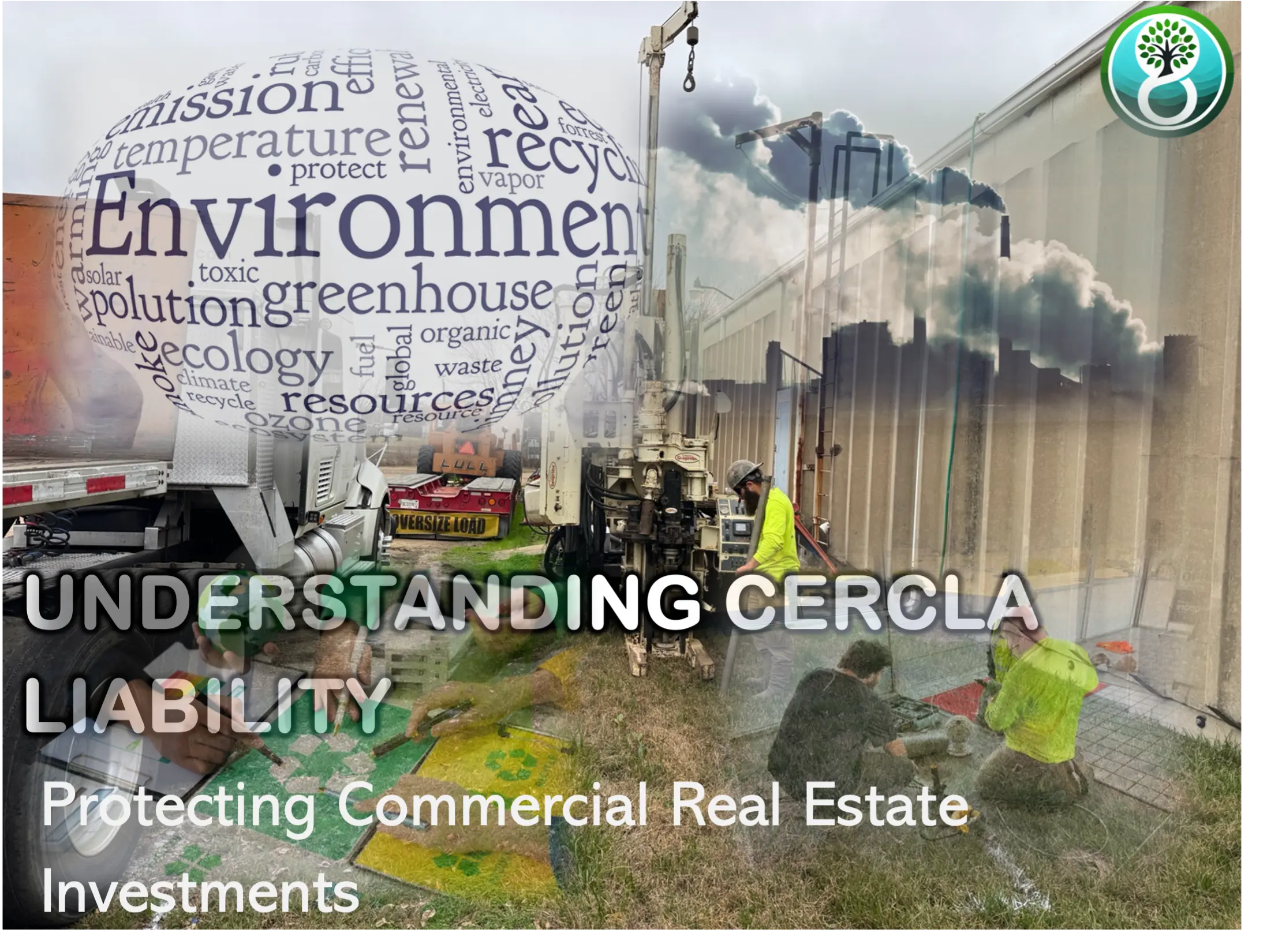
Who Is This Blog For?
This guide is for commercial real estate buyers, developers, investors, and lenders. It helps individuals navigating active transactions protect their business assets. Reading these details ensures professionals understand federal risk transfer options before closing a deal.
What is CERCLA Liability?
Federal law sets strict rules for polluted land. A law called CERCLA handles these issues. CERCLA stands for the Comprehensive Environmental Response, Compensation, and Liability Act.
New owners must pay for cleanups. This remains true even if past owners caused the actual mess.
Commercial Real Estate Liability
Many buyers overlook federal environmental traps. Across the country, commercial real estate liability rules punish new owners. Buying an industrial site without checking past use brings big risks.
Superfund Site Liability
Dirty land triggers quick action from federal groups. Specifically, avoiding Superfund site liability requires finding toxic waste before closing a deal. Missing these hidden flaws can ruin your property profits fast.
Phase I ESA Legal Protection
Fortunately, smart investors can protect their cash. Doing a proper study secures Phase I ESA legal protection under federal rules. This step satisfies the law before you take over the deed.
How Field Surveys Save Deals
Experts must check old physical records. Also, walking the land uncovers hidden tanks, oil spills, or illegal waste dumps. Checking the property layout protects buyers from huge surprise bills.
Linking Risks to Property Value
Hidden toxic waste stops bank funding fast. For instance, bad ground pollution drops property values and scares away big lenders. A good check ensures the sale price matches the real asset condition.
Beyond Basic Building Checks
Standard building inspections do not track toxic waste. A basic building report checks roofs but misses deep soil issues. Therefore, smart buyers combine regular physical checks with soil tests.
Subsurface Testing Strategies
Old dry cleaners or gas stations flag immediate danger. Specifically, fast soil and water tests find the exact pollution. These targeted checks show if a site needs special plastic vapor shields.
Federal Regulatory Compliance
The U.S. Environmental Protection Agency (EPA) tracks toxic waste across the nation. Local state groups also enforce cleanup rules alongside the federal team. Operators must follow all rules to clear their records safely.
Securing Bank Loan Approvals
Banks enforce strict rules on polluted property deals. Missing one environmental paper sign-off stops your loan immediately. Consequently, doing proper checks early stops lender delays and speeds up your closing.
Long-Term Asset Protection
Early site checks stop small leaks from turning into huge court cases. In addition, routine tracking keeps your site safe if dirty water runs off during rain. Keeping your project on time takes constant care.
Managing Multi-Site Portfolios
Large buyers need the same high standards in every single state. Matching complex project steps ensures clear tracking for massive national property sets. Strict field tests keep spread-out corporate buys safe.
Frequently Asked Questions
Owning a dirty property triggers the law. New owners must pay for cleanups even if they did not drop the chemicals.
Owning a dirty property triggers the law. New owners must pay for cleanups even if they did not drop the chemicals.
The EPA ECHO Website tracks historical data, permits, and active cleanups. Checking this database reveals known dirty sites across America.
Related Resource Guides
- Explore our comprehensive breakdown regarding Property Condition Assessment costs and checklists.
- Read about managing transaction timelines with a Rapid Phase II ESA Fayetteville project.
- Learn the hidden hazards of Dry Cleaners, Gas Stations, and Industrial Parks.
- Discover how to streamline financing using our guide on How to Get Approved for a Commercial Loan.
Protect Your Investment Today
Industrial sites need solid shields against unexpected legal fights. Contact SKA Environment at [email protected] or call directly at 281-598-8671. Alternatively, request a professional project estimate by completing our official online quote form right now.