


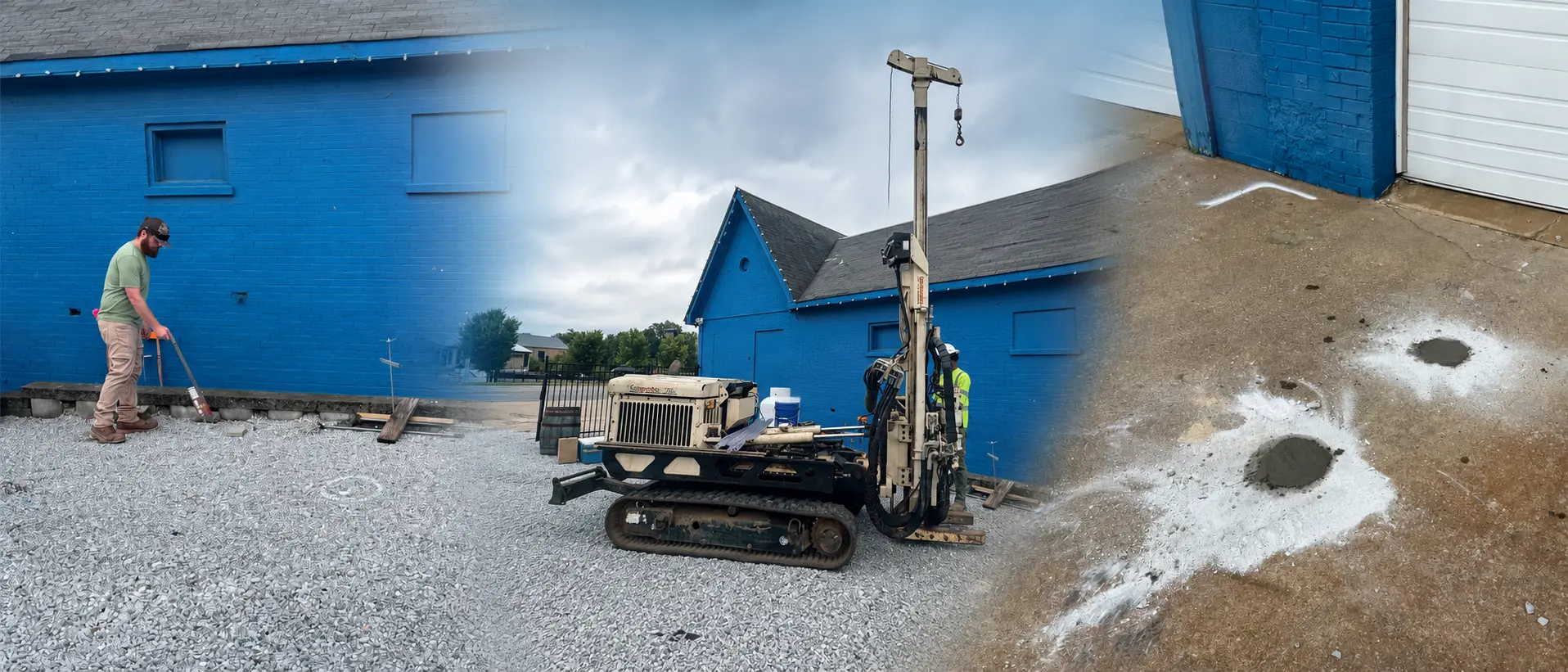
Speed matters in environmental consulting. We received a Phase I ESA report. The report focused on a property in Fayetteville, Arkansas. The site sits at 510 & 514 West Martin Luther King Jr. Boulevard.
The shared Phase I report identified historical Recognized Environmental Conditions (RECs). It recommended a follow-up subsurface investigation. The client hired SKA Environment to complete the ESA Phase II.
The transaction required an expedited turnaround timeline. The client provided a window of only 5 to 7 days to complete the work. We executed the field work quickly. We delivered the final Phase II data on time.
High-Risk Historical Commercial Due Diligence
The property presented significant historical risks. The shared Phase I report noted a 1967 filling station on-site. The historical records lacked documentation regarding tank closures.
Historical directories revealed more risks. Kim’s Tire & Auto Repair operated here from 1986 to 2010. Car Clinic also occupied the site in 2022. This created 36 years of auto repair history.
Soil or groundwater contamination was a primary concern. These operations are classic examples of high-risk properties. Old fueling stations and repair shops often leave hidden contamination. Smart buyers watch for these historical risks during transactions.
Learn more about these property risks in our blog post. Read about Dry Cleaners, Gas Stations, and Industrial Parks: The ‘Big Three’ Environmental Red Flags.
Uncovering these details requires physical verification. Relying solely on databases can leave gaps. An expert must visit the location to confirm current conditions.
Our team looks for localized surface spills. You can learn more about this process in our guide to Master Phase I ESA Interviews & Site Recon.

When a Phase I ESA Triggers an ESA Phase II
The historical records left gaps regarding tank closures. Because the shared report recommended further investigation, SKA Environment stepped in. The next step in commercial due diligence is a subsurface investigation.
Every commercial property has unique soil types and history. A standard approach will not work for complex sites. This means that Why One Phase II Environmental Scope Doesn’t Fit All is a critical concept.
A customized scope ensures you test for the right chemicals. Custom testing prevents wasting your budget on unnecessary drilling. It targets the exact areas of concern on the property.
For buyers managing tight timelines, budgeting early prevents surprises. It keeps your transaction moving forward smoothly. You can review standard market pricing structures online.
Read our comprehensive breakdown of Phase I vs Phase II ESA Costs: A Complete Pricing Guide. This helps you budget accurately for your next project.
Managing Environmental Risks and Engineering Controls
Finding subsurface impacts does not ruin a deal. Instead, it allows buyers to shift focus. You can start active risk mitigation before development begins. This protects your long-term commercial investment.
Soil testing might confirm Volatile Organic Compounds (VOCs). It might find petroleum vapors. Specific construction adjustments can protect the building’s future air supply.

You can manage these specific subsurface vapor issues easily. Read our technical article on Vapor Barriers: Risks, Rules & Next Steps. This guide explains how engineered mitigation systems work.
Environmental due diligence is about proactive risk management. Identifying historical liabilities early provides clarity. It helps you secure financing and move forward safely.
FAQ: Commercial Due Diligence and ESA Phase II Testing
What triggers an ESA Phase II subsurface investigation?
An environmental professional triggers a Phase II when a Phase I ESA identifies a Recognized Environmental Condition (REC). This includes historical gas stations, auto repair shops, or chemical spills. The Phase II collects soil and groundwater samples to confirm if contamination exists.
What triggers an ESA Phase II subsurface investigation?
Standard Phase II projects usually take two to three weeks. However, expedited timelines are possible. Our team completed the Fayetteville project quickly.
We mobilized and delivered results in 5 to 7 days. This met the strict closing timeline.
Does a failed Phase I or Phase II report kill a commercial deal?
No, environmental issues do not automatically end a transaction. Discovering contamination allows the buyer to renegotiate the purchase price or request cleanup. It also allows developers to plan engineering controls like vapor barriers before construction.
Who pays for the Phase II environmental testing?
The buyer typically pays for the testing as part of their due diligence. In some deals, buyers and sellers can share the cost. Sellers may pay if they want to prove the property is clean to save the deal.
What chemicals do experts look for during a Phase II?
Testing depends on the historical use of the property. Former gas stations and auto shops have specific risks. For these sites, we test for fuel leaks. We look for petroleum hydrocarbons.
We also test for volatile organic compounds. These are common chemical vapors found in fuels and solvents. We check for heavy metals from old parts and fluids as well.
Protect Your Investment with SKA Environment
Commercial real estate deals move fast. You cannot afford to wait weeks for critical environmental data. SKA Environment delivers rapid subsurface investigations. We provide accurate testing to keep your transaction on schedule.
We understand the complex technical realities of Phase II tracking. Our team designs custom testing scopes. We target actual risks without wasting your budget. We provide clear, objective reports that banks and lenders trust.
Do not let hidden environmental liabilities delay your closing date. Do not let hidden risks ruin your returns. Partner with an expert team that delivers high-quality data under tight deadlines.
Contact our team today at info@skaenvironment.com to discuss your project. Ready to move forward right now? You can quickly request a quote through our online order form.