


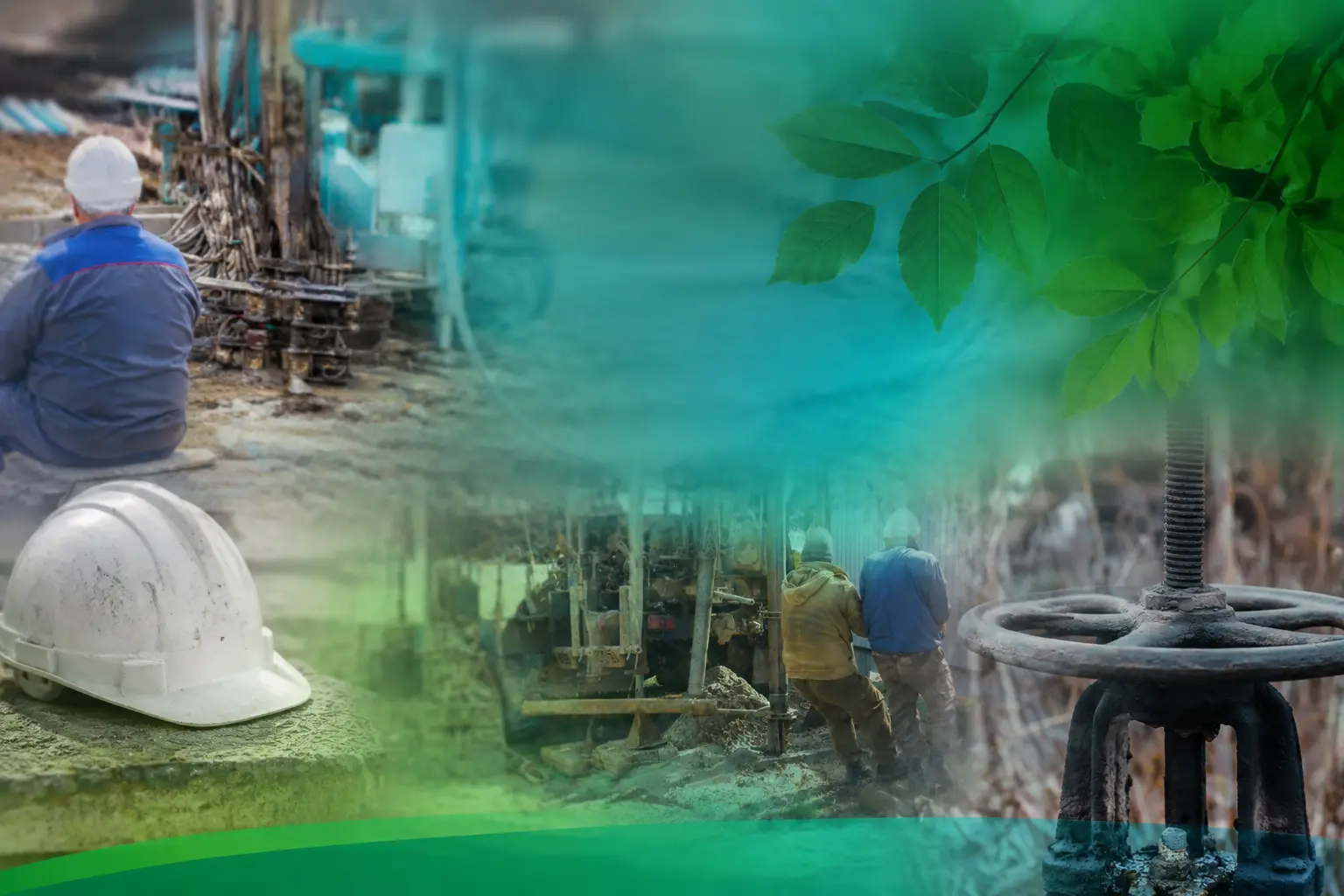
Buying or developing commercial property involves more than reviewing the price, location, and building condition. Environmental risks can also affect the value of a property and create unexpected costs after closing.
That is why due diligence real estate reviews are so important.
A proper due diligence process can uncover environmental concerns before a transaction is complete. If contamination or another issue is found, remediation management can help determine the safest and most practical next steps.
This guide explains what due diligence is, what should be included in a due diligence checklist, and how environmental investigation and remediation work together.
Who Should Read This Guide?
This guide is useful for:
● Commercial property buyers
● Real estate investors
● Developers
● Property owners
● Lenders
● Asset managers
● Attorneys
● Companies involved in mergers or acquisitions
If environmental conditions could affect your deal, completing the right checks before closing can help reduce long-term risk.
What Is Due Diligence?
So, what is due diligence?
Due diligence is the process of reviewing a property, business, or investment before making a final decision.
In commercial real estate, this usually means checking whether there are legal, financial, structural, or environmental problems that could affect the transaction.
A buyer may review:
● Property ownership records
● Zoning and land-use requirements
● Building condition
● Environmental history
● Existing leases
● Taxes and operating expenses
● Permits
● Potential contamination
● Future repair or remediation costs
The goal is simple: understand what you are buying before you become responsible for it.
Why Due Diligence Matters in Real Estate
Due diligence real estate reviews give buyers time to identify risks before a purchase is finalized.
Without proper due diligence, a buyer may later discover:
● Soil contamination
● Groundwater impacts
● Underground storage tanks
● Asbestos-containing materials
● Mold or indoor air quality concerns
● Previous industrial activities
● Environmental violations
● Expensive building repairs
These problems can affect property value, financing, insurance, construction plans, and resale potential.
Finding them early gives the buyer more options.
The buyer may negotiate the price, request additional testing, ask the seller to address the issue, or reconsider the transaction.
What Is Environmental Due Diligence?
Environmental due diligence focuses specifically on environmental risks connected with a property.
It is often performed during commercial real estate transactions, refinancing, redevelopment, or acquisitions.
A common first step is a Phase I Environmental Site Assessment.
A Phase I ESA reviews the property’s current and historical uses to identify possible environmental concerns. It may include:
● Historical property research
● Environmental database reviews
● Site inspection
● Interviews
● Review of nearby properties
● Identification of Recognized Environmental Conditions
If the Phase I ESA identifies a potential concern, additional investigation may be recommended.
This is where environmental due diligence can move from research into testing and, when necessary, remediation.
Real Estate Due Diligence Checklist
A good real estate due diligence checklist should look at the entire property, not just one type of risk.
Environmental Review
Check for:
● Phase I Environmental Site Assessment
● Previous environmental reports
● Soil or groundwater contamination
● Underground or aboveground storage tanks
● Hazardous materials
● Asbestos
● Lead-based paint
● Mold concerns
● Vapor intrusion
● Regulatory records
Property Condition
Review:
● Roof condition
● HVAC systems
● Electrical systems
● Plumbing
● Foundations
● Parking areas
● Fire protection systems
● Accessibility concerns
Legal and Regulatory Review
Confirm:
● Property title
● Zoning
● Easements
● Permits
● Code violations
● Environmental restrictions
● Land-use limitations
Financial Review
Consider:
● Property taxes
● Operating expenses
● Insurance costs
● Existing leases
● Maintenance expenses
● Planned capital improvements
A detailed due diligence checklist helps buyers avoid focusing on only one part of the transaction.
What Happens If Environmental Due Diligence Finds a Problem?
Finding an environmental issue does not always mean the transaction should stop.
The next step is usually to understand the nature and extent of the problem.
For example, if a Phase I ESA identifies a potential release from an old underground storage tank, a Phase II investigation may include soil or groundwater sampling.
Testing can help answer questions such as:
● Is contamination actually present?
● How large is the affected area?
● Is groundwater impacted?
● Could contaminants affect nearby properties?
● What cleanup may be required?
● How much could remediation cost?
Once the problem is better understood, a remediation strategy can be developed.
What Is Remediation Management?
Remediation management is the process of planning, coordinating, and monitoring environmental cleanup.
It can involve several stages, including:
- Identifying the contamination
- Investigating the extent of the problem
- Developing a cleanup strategy
- Coordinating with regulators
- Managing contractors
- Monitoring remediation work
- Documenting results
- Working toward regulatory closure
The goal is not simply to remove contamination. A good remediation plan also considers cost, project schedules, property use, regulatory requirements, and future development plans.
Common Remediation Methods
The right cleanup method depends on the contaminant, location, property use, and site conditions.
Common options may include:
Soil Excavation
Contaminated soil is removed and transported to an approved disposal facility.
This approach may work well when contamination is concentrated in a limited area.
Groundwater Treatment
Groundwater contamination may require treatment, extraction, monitoring, or other corrective measures.
Soil Vapor Extraction
This method can be used for certain volatile contaminants present in soil.
In-Situ Treatment
Some contamination can be treated without removing the soil.
Treatment materials may be introduced into the affected area to break down or control contaminants.
Risk-Based Management
In some cases, complete removal may not be necessary.
Engineering controls, institutional controls, monitoring, or land-use restrictions may be used to manage remaining risks.
How Due Diligence and Remediation Work Together
Environmental due diligence and remediation management are closely connected.
Due diligence identifies the potential problem.
Investigation confirms the extent of the problem.
Remediation management determines how the problem should be addressed.
For example:
A buyer completes a Phase I ESA and discovers that the property previously operated as a gas station.
The environmental consultant recommends additional investigation.
Soil testing confirms petroleum contamination.
The buyer can then estimate remediation costs before closing and use that information during negotiations.
Without due diligence, the contamination may only be discovered after the buyer becomes responsible for the property.
Why Early Environmental Review Can Save Money
Environmental problems usually become harder to manage when they are discovered late.
Early due diligence can help buyers:
● Avoid unexpected cleanup expenses
● Create realistic project budgets
● Reduce construction delays
● Negotiate better purchase terms
● Understand potential environmental liability
● Protect property value
● Plan redevelopment more effectively
For developers, environmental due diligence can also help prevent contamination from delaying construction after financing and contractors are already in place.
How SKA Environment Can Help
Due diligence should provide more than a checklist. It should give you the information needed to make a confident property decision.
SKA Environment helps property owners, investors, lenders, and developers evaluate environmental risks throughout the real estate lifecycle.
Services may include:
● Environmental due diligence
● Phase I Environmental Site Assessments
● Phase II investigations
● Soil and groundwater testing
● Environmental site assessments
● Remediation planning
● Remediation management
● Regulatory coordination
● Environmental monitoring
By identifying concerns early and developing a practical response plan, environmental professionals can help keep property transactions and development projects moving forward.
Buying, developing, or refinancing commercial property? Contact SKA Environment for environmental due diligence and remediation support before environmental risks become expensive surprises.
Frequently Asked Questions
Due diligence is the process of reviewing a property before completing a purchase or investment. It may include environmental, financial, legal, and physical property reviews.
A due diligence checklist should cover environmental risks, building condition, zoning, title, permits, leases, taxes, operating expenses, and other factors that could affect the property’s value or future use.
Environmental due diligence evaluates possible environmental risks associated with a property. It often begins with a Phase I Environmental Site Assessment.
A real estate due diligence checklist may include environmental assessments, property condition reviews, title research, zoning checks, leases, permits, financial records, and regulatory compliance.
Additional testing may be needed to determine the type and extent of contamination. Depending on the results, remediation, monitoring, regulatory coordination, or risk-management measures may be recommended.
In many commercial transactions, completing environmental due diligence before closing can help buyers understand potential risks and liabilities before taking ownership.