


A dependable SWPPP compliance company helps construction teams, developers, property managers, and contractors keep stormwater controls active, documented, and aligned with local environmental regulations. Click here for more information on SWPP Houton: A Guide to Stormwater Pollution Prevention Plan.
The right partner does more than file paperwork; they help identify runoff risks, guide erosion control decisions, inspect best management practices, and support a practical response when site conditions change
If you are comparing stormwater consultants in your area, focus on field experience, clear reporting, responsive communication, and proven SWPPP implementation support.
Key Takeaways
- A dependable stormwater compliance SWPPP company helps manage and document stormwater controls while meeting local regulations.
- Key services include SWPPP review, routine audits, runoff guidance, and clear inspection documentation.
- Look for a provider with local knowledge, practical communication, and an understanding of site-specific challenges.
- Effective compliance requires proactive audits and ongoing support during construction phases to avoid runoff issues.
- Choose a partner who clearly communicates expectations, maintains organized records, and provides actionable recommendations.
What should the right SWPPP compliance company handle?
The right provider should support the full stormwater compliance process, from plan review through ongoing inspections and corrective action documentation.
That usually includes understanding your site layout, drainage patterns, soil disturbance, nearby inlets or waterways, and the permit requirements that apply to your project.
A strong team should also explain what needs to happen in plain language, so crews know how to maintain erosion control measures before small issues become compliance problems.
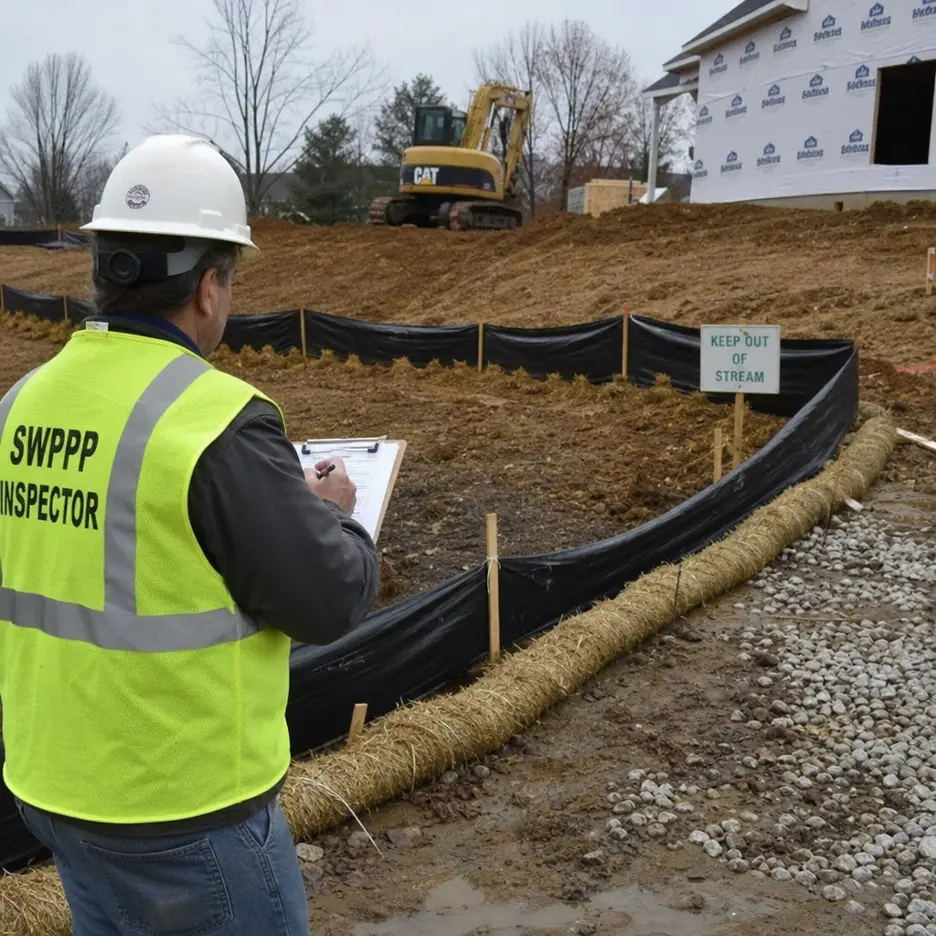
Useful SWPPP services often include:
- SWPPP review and setup: Confirming that the plan reflects actual site conditions, construction phases, access points, discharge areas, and stormwater management controls
- Routine compliance audits: Checking silt fence, inlet protection, sediment basins, stabilized entrances, slopes, stockpiles, and other controls for performance and maintenance needs.
- Runoff management guidance: Helping your team reduce sediment movement, redirect clean water, and maintain practical drainage paths during active construction.
- Corrective action support: Documenting deficiencies, recommending fixes, and helping crews prioritize work based on risk and permit requirements.
- Inspection documentation: Providing clear reports, photos, dates, observations, and action items that are easy to keep on file and share when needed.
- Crew communication: Translating regulatory requirements into field-ready instructions for superintendents, subcontractors, and maintenance teams.
Local knowledge matters for stormwater compliance
Stormwater rules can vary by state, municipality, permit type, and project size. A company that understands local review expectations can help you avoid confusion, especially when multiple agencies or inspectors are involved.
Local experience also matters because weather patterns, soil types, slopes, and surrounding infrastructure all affect how runoff management should be planned and maintained. Here’s a guide to Stormwater Compliance in Texas.
When evaluating stormwater compliance SWPPP companies, ask how they approach projects in your region.A practical consultant should be able to discuss common site challenges without overpromising outcomes.
For example, a flat commercial site near paved drainage inlets may need a different inspection focus than a hillside residential development with exposed slopes and phased grading.
Signs of a reliable SWPPP partner
Choosing a provider is easier when you look beyond a basic service list. The best fit is usually a company that combines regulatory awareness with field practicality.
They should know what inspectors look for, but they should also understand how construction schedules, subcontractors, rain events, and site access affect real-world compliance.
Look for a company that provides:
- Clear inspection reports with photos, locations, findings, and recommended next steps.
- Consistent scheduling that matches permit requirements and construction activity.
- Fast communication when a deficiency needs attention before the next storm event.
- Practical erosion control recommendations that crews can actually install, maintain, and verify.
- Experience with active jobsites where conditions shift as grading, utilities, paving, and landscaping progress.
- Support for documentation habits so your records stay organized throughout the project.
A good SWPPP compliance provider should make your team more confident, not more dependent.
They should help you understand the “why” behind corrective actions, so compliance becomes part of daily site management rather than a last-minute scramble.
The value of proactive compliance audits
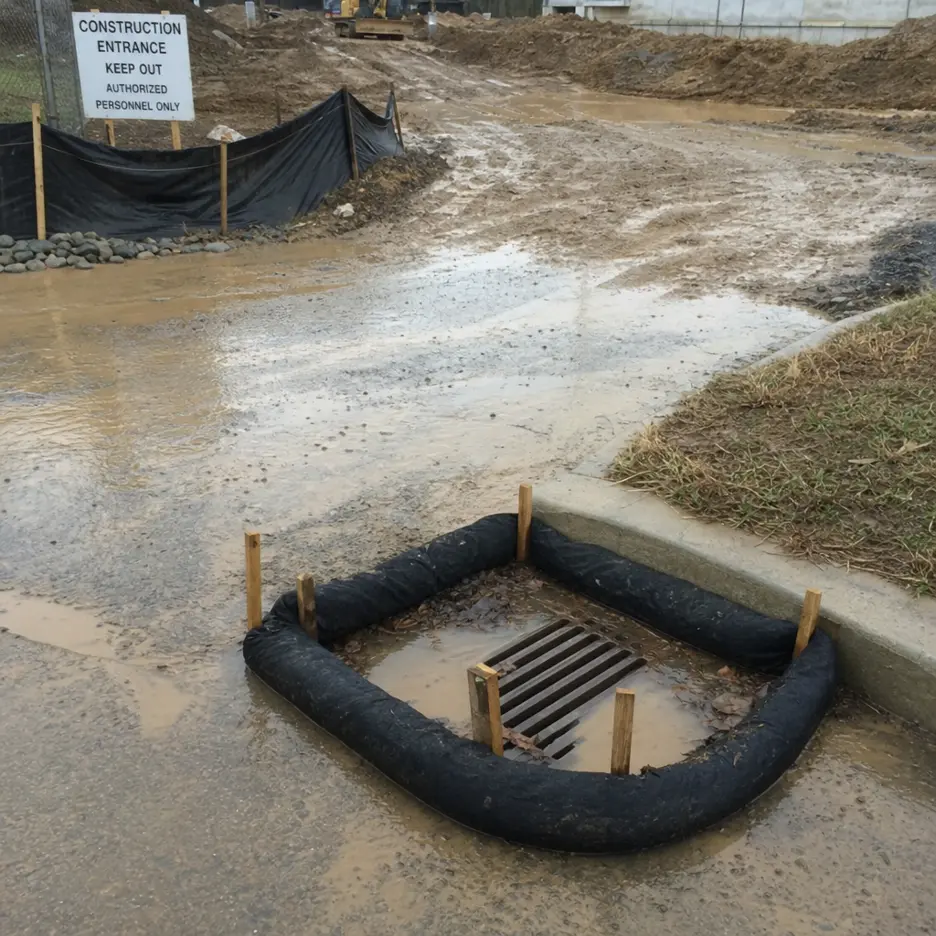
Compliance audits are most useful when they catch problems early. A damaged inlet protection device, unstabilized stockpile, failed perimeter control, or muddy construction entrance may seem minor at first, but each can create sediment tracking, discharge concerns, or documentation gaps. Proactive inspections help crews address issues while they are still manageable.
A strong audit process should not feel like a vague checklist. It should connect observations to site conditions and required actions. If runoff is bypassing a control, the report should explain where it is happening, why it matters, and what type of correction may be appropriate.
This is where experienced stormwater consultants provide real value: they help turn findings into compliance solutions your field team can act on.
SWPPP implementation support for active construction sites
SWPPP implementation is where the plan meets the field. Even a well-written plan can fall short if controls are not installed correctly, maintained after rain, or adjusted as the site changes.
Your compliance company should help bridge that gap by reviewing whether the BMPs shown in the plan still match the current phase of work.
This support is especially important during transitions such as mass grading, utility installation, foundation work, paving, landscaping, or final stabilization. Navigating the Technical Realities of the TCEQ MSGP SWP3.
Each phase can change runoff patterns and expose new sediment risks. A reliable SWPPP services provider will help your team identify these changes, update documentation when appropriate, and keep erosion control measures aligned with the work underway.
How to compare SWPPP service providers
Before hiring a company, gather enough information to understand how they work. You do not need the cheapest provider; you need a partner who reduces confusion, keeps documentation organized, and helps your site stay inspection-ready.
A low-cost service that produces thin reports or slow responses may create more work for your team later.
Use this quick comparison checklist:
- Do they explain their inspection process before work begins?
- Will reports include photos, locations, and corrective action notes?
- Can they support both scheduled inspections and rain-related site needs?
- Do they understand local environmental regulations and permitting expectations?
- Are their recommendations practical for construction crews and site supervisors?
- Will they communicate urgent issues quickly and clearly?
- Can they help with both stormwater management planning and field-level runoff management?
If the answers are vague, keep asking questions. A qualified provider should be able to describe their workflow without making unrealistic promises.
Get the right compliance support for your site
Choosing the right SWPPP compliance company can help your project stay organized, reduce runoff risks, and respond more confidently to inspections or changing site conditions.
Whether you need compliance audits, stormwater management guidance, erosion control support, or full SWPPP implementation assistance, look for a local partner who communicates clearly and understands construction realities. Key Takeaways from the 2026 TCEQ Environmental Trade Fair.
If your site needs dependable stormwater compliance support, contact a qualified SWPPP services provider in your area to discuss your project, permit requirements, inspection schedule, and next steps.
Frequently Asked Questions
Inspection frequency depends on the permit requirements that apply to your project, along with weather events and construction activity. Your SWPPP compliance company should help you understand the applicable schedule and keep inspection records organized.
Some companies provide consulting only, while others may coordinate or perform field services. Before hiring, confirm whether the provider documents issues, recommends corrections, installs controls, or works with your site crew to complete fixes.
A professional SWPPP provider supports the entire stormwater management process, including initial plan review, routine field compliance audits, erosion control guidance, and corrective action documentation.
Stormwater rules vary significantly by state, municipality, and permit type. Local consultants understand regional soil types, weather patterns, and specific inspector expectations to help keep your site compliant.
Effective reports should provide clear photographs, exact locations of findings, specific maintenance or corrective action notes, and dates to keep your site records audit-ready.
Ready to Secure Your Site’s Stormwater Compliance?
Navigating stormwater regulations and maintaining active erosion controls doesn’t have to slow down your construction schedule.Whether you need expert SWPPP setup, routine compliance audits, or reliable field guidance, SKA Environment helps construction teams, developers, and property managers stay inspection-ready and protected.
Take control of your project’s environmental compliance today:
- Email Us: info@skaenvironment.com
- Call Our Office: 281-598-8671
- Request a Quote Online