

Texas environmental rules can change fast. For site teams, that means plans and records must stay current.
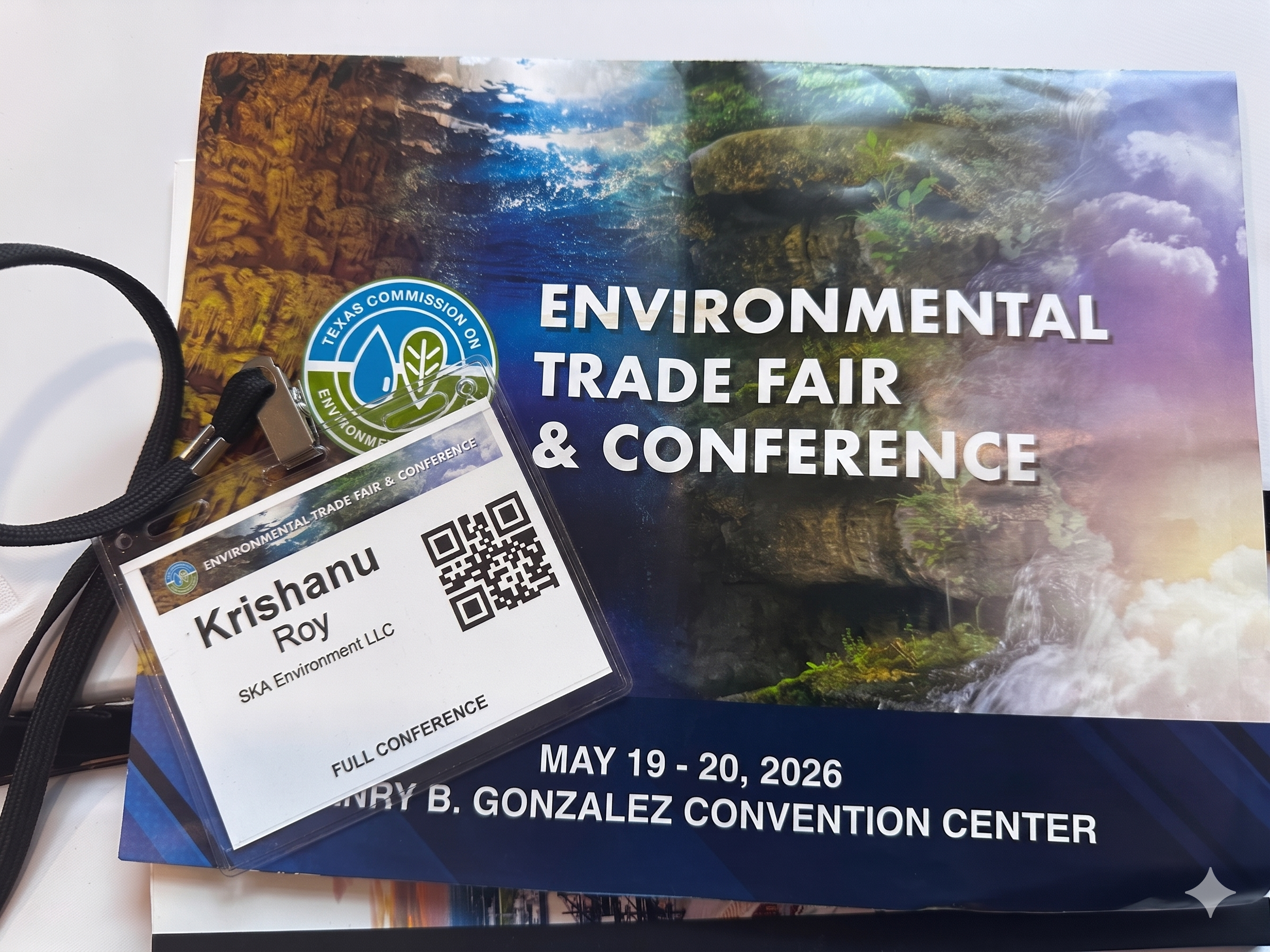
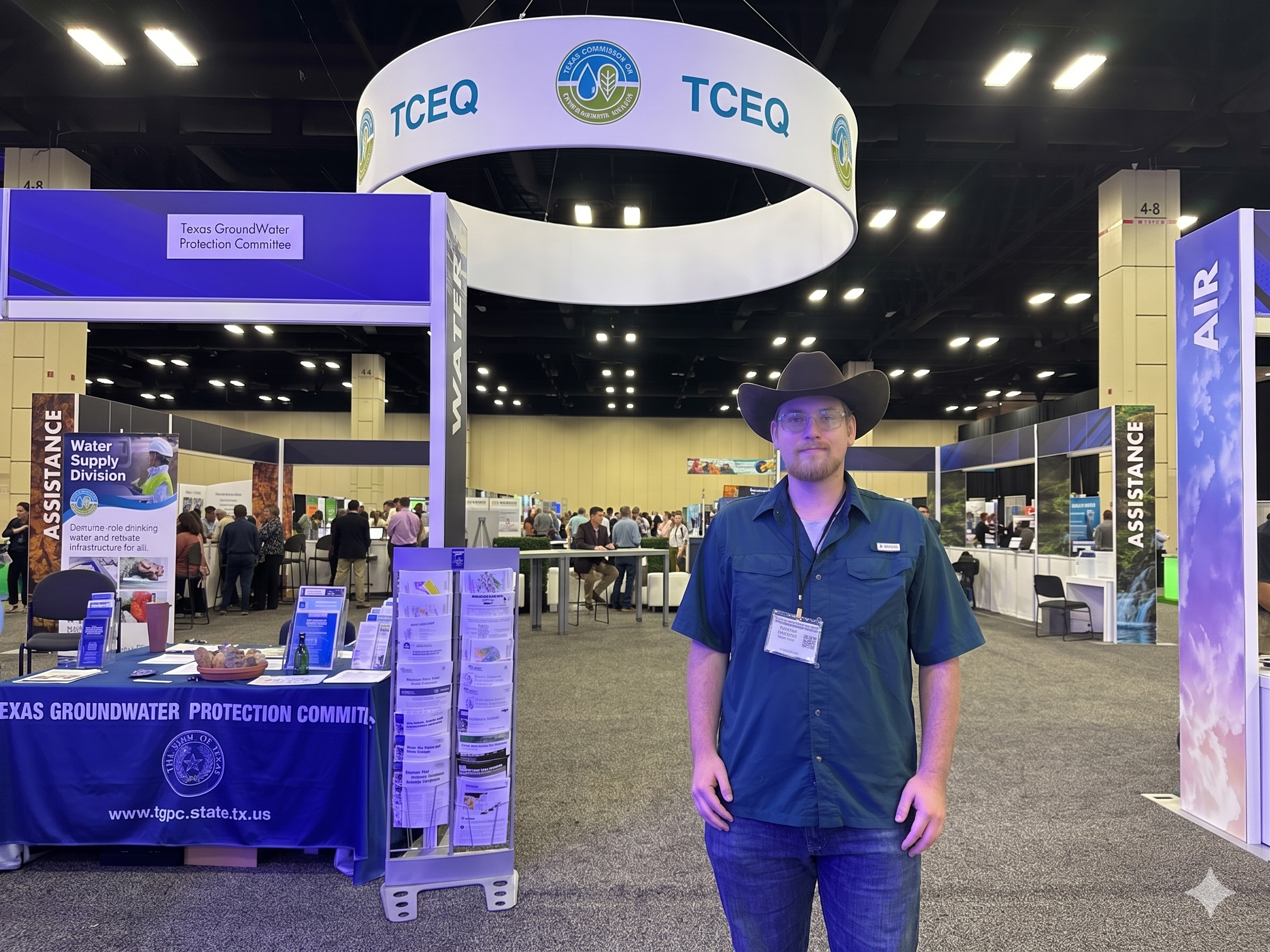
The 2026 TCEQ Environmental Trade Fair and Conference gave useful updates on stormwater, air rules, permits, and reporting. The event was held in San Antonio and included more than 100 sessions.
The main message was simple. Written plans should match real site conditions. Teams should also keep clear records and prepare early for new rules.
Stormwater Plans Must Match the Site
Stormwater was a major topic at the event.
Inspectors may compare a Stormwater Pollution Prevention Plan (SWPPP) with what they see at the site.
If a control moves or changes, update the plan.
The same is true when:
● Drainage paths change
● Storage areas move
● New work areas open
● Equipment is added
● Site access changes
A current plan makes it easier to show that the site is being managed well.
Prepare for the MSGP Renewal
The Multi-Sector General Permit (MSGP) was also discussed.
The current TXR050000 permit is set to expire on August 14, 2026.
Industrial sites should prepare for the next permit cycle now.
Review your:
● Site maps
● Stormwater controls
● Inspection forms
● Site records
● Staff roles
Early review can help prevent last-minute problems.
Keep Your SWPPP Current
A SWPPP should change when the site changes.
For example, a project may move a stormwater control during a new phase of work. The plan should show that change.
Update the plan when:
● A drain moves
● Storage changes
● A work area closes
● A new area opens
● A control is replaced
Small updates can help keep the plan accurate.
Follow Site Stabilization Dates
The sessions also covered site stabilization.
Inactive work areas may need to be stabilized within 14 days.
Some areas near surface water may have a 7-day timeline.
Site teams should know which rule applies.
Add these dates to the project schedule. Do not wait until an inspection.
Use Clear Inspection Logs
Inspection logs should be short, clear, and specific.
Avoid notes such as “site looks good.”
Instead, record:
● Weather
● Rain impacts
● Control condition
● Erosion
● Blocked drains
● Repairs
● Action dates
Good notes show what was checked and what happened next.
Air Quality Was Another Key Topic
The event also covered air quality and federal permits.
One topic was the National Ambient Air Quality Standards (NAAQS).
These rules cover major air pollutants. Examples include ground-level ozone and fine particles called PM2.5.
Weather and nearby activity can affect air readings.
For this reason, good records are important.
Natural Events Can Affect Air Data
Wildfires and dust storms can raise air pollution levels for a short time.
These are often called Exceptional Events.
A site may need to show that a high reading came from a natural event and not from normal work.
Clear records can help support that review.
Title V Permit Updates
The event also covered Title V permits.
Speakers discussed:
● Forms
● Permit records
● Reporting duties
● Emissions tracking
The lesson was simple.
Keep permit files organized. Make sure staff know what must be filed.
ACRES and Electronic Air Reporting
ACRES was another key topic.
The Air Compliance Reporting Electronic Submissions system (ACRES) is part of STEERS.
It supports electronic air reports.
Sites should check:
● System access
● Staff rights
● Review steps
● Deadlines
● Required forms
Early planning can make filing easier.
Watch Federal Rule Changes
The event also covered federal rule changes.
Some updates may affect:
● Air limits
● Test rules
● Deadlines
● Wastewater limits
Some changes are still under review.
Texas sites should keep watching these updates. Federal rules may later affect state permits.
The Exhibit Hall Added Practical Value
The event also included more than 300 exhibitors.
These included:
● Environmental labs
● Equipment firms
● Drilling teams
● Monitoring firms
● Other service providers
Project teams could ask vendors about:
● Equipment
● Timing
● Site access
● Sampling
● Field needs
● Project schedules
This can help teams plan work before a project starts.

Why Early Vendor Planning Helps
Environmental work often needs help from several outside teams.
A project may need:
● Drilling crews
● Lab support
● Sampling tools
● Monitoring equipment
● Field staff
A delay in one area can slow the whole project.
Early vendor planning can help teams understand cost, timing, and site needs before work begins.
A Practical Path Forward
The main lesson from the 2026 TCEQ Environmental Trade Fair is clear.
Compliance is not a one-time task.
Texas site teams should:
● Keep SWPPPs current
● Match plans to field conditions
● Follow key dates
● Write clear inspection notes
● Watch air updates
● Prepare for digital reporting
● Track state and federal rule changes
Good compliance should be part of daily site work.
Stay Ready for TCEQ Changes
Industrial and development teams should review stormwater, air, and reporting programs on a regular basis.
Early action can help reduce gaps and keep projects moving.
Need help with TCEQ compliance, stormwater plans, SWPPP updates, air permits, or environmental reporting? Contact SKA Environmental to discuss your site needs.