


Who Should Read This Guide?
This guide is useful for:
● Commercial property owners
● Industrial facility managers
● Real estate developers
● Manufacturing companies
● Construction contractors
● Environmental compliance managers
● Businesses managing wastewater discharge
If your facility generates wastewater, understanding treatment and disposal requirements can help you reduce environmental risks.
What Is Wastewater Treatment?
Wastewater treatment is the process of removing pollutants from used water before it is discharged or reused.
Wastewater may come from several sources, including:
● Residential buildings
● Commercial properties
● Manufacturing facilities
● Food processing plants
● Industrial operations
● Hospitals and healthcare facilities
Depending on its source, wastewater may contain organic waste, suspended solids, oils, chemicals, nutrients, or harmful microorganisms.
Treatment helps reduce these contaminants to levels suitable for the intended discharge or reuse.
How Does a Wastewater Treatment Plant Work?
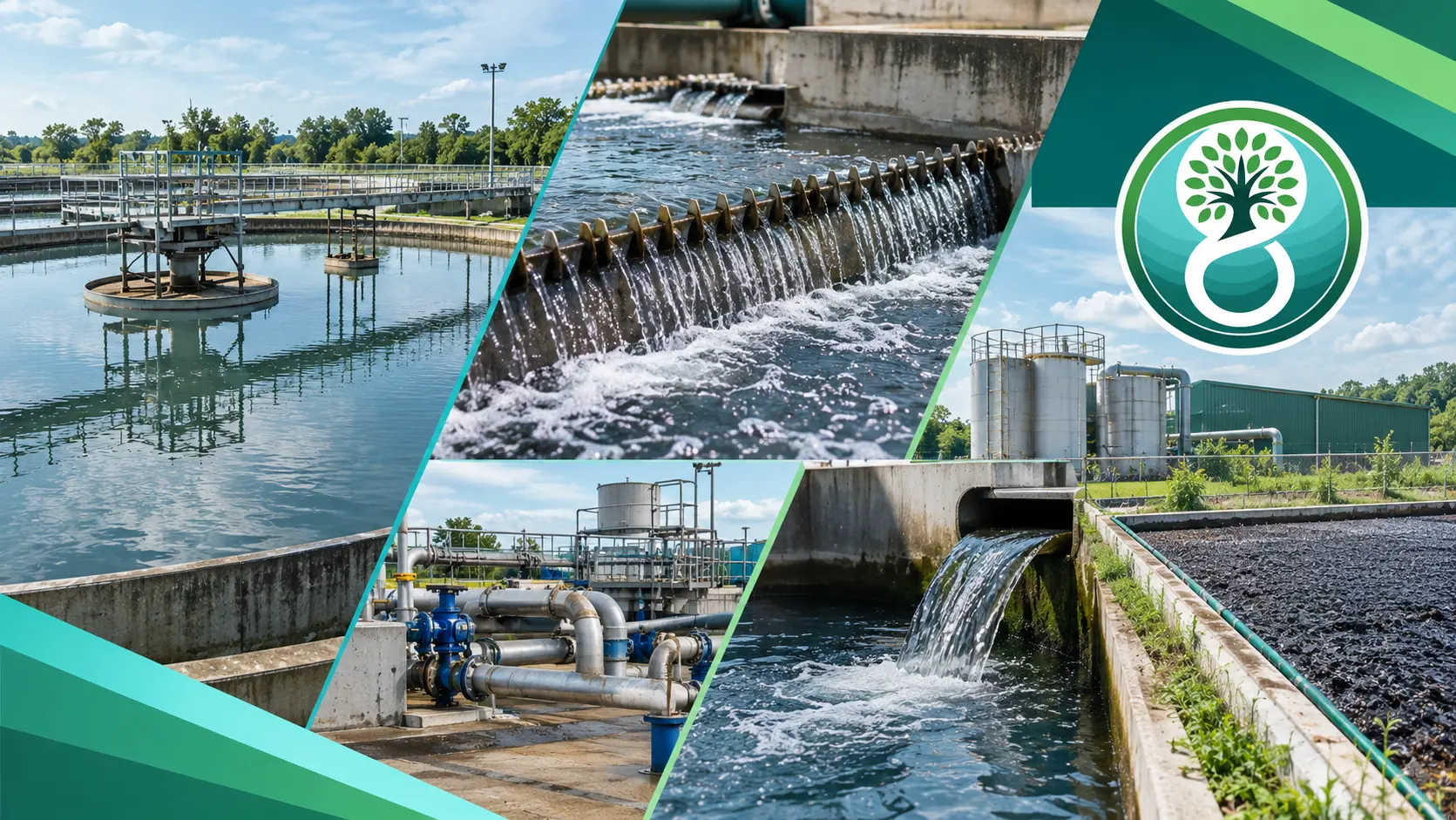
A wastewater treatment plant uses a series of processes to remove contaminants from wastewater.
The exact treatment method depends on the type of wastewater and the required water quality.
Most conventional treatment systems involve several stages.
- Preliminary Treatment
The first stage removes large materials that could damage equipment or block pipes.
Screens and grit removal systems help separate:
● Plastic waste
● Large debris
● Sand
● Gravel
● Other solid materials
This stage protects equipment and prepares wastewater for further treatment.
- Primary Treatment
During primary treatment, wastewater enters settling tanks.
Heavier solids settle at the bottom, while floating materials such as grease and oil can be removed from the surface.
This process reduces suspended solids and some organic pollutants. - Secondary Treatment
Secondary treatment uses microorganisms to break down biodegradable organic matter.
Common treatment methods include activated sludge systems and biological filters.
This stage helps reduce organic pollution and improve water quality. - Tertiary Treatment
Some facilities require additional treatment before discharge or reuse.
Tertiary treatment may involve:
● Filtration
● Nutrient removal
● Chemical treatment
● Membrane filtration
● Disinfection
The required treatment depends on the facility’s discharge limits and intended use of the treated water.
What Is a Wastewater System?
A wastewater system is the network of equipment, pipes, tanks, and treatment processes used to collect, transport, treat, and discharge wastewater.
These systems vary depending on the property and the amount of wastewater generated.
Municipal Wastewater Systems
Municipal systems collect wastewater from homes and businesses through sewer networks.
The wastewater is transported to a central treatment facility before being discharged or reused.
Industrial Wastewater Systems
Industrial facilities may generate wastewater containing oils, chemicals, metals, or other process-related pollutants.
These facilities may require specialized treatment systems or pretreatment before sending wastewater to a municipal sewer.
On-Site Wastewater Systems
Some properties use on-site treatment systems when centralized sewer services are unavailable.
These may include septic systems or more advanced treatment units, depending on site conditions and local regulations.
Selecting the right system depends on wastewater volume, contaminant levels, available infrastructure, and discharge requirements.
Why Is Proper Wastewater Disposal Important?
Wastewater disposal is the process of safely managing treated wastewater and related waste materials.
Improper disposal can cause serious environmental problems.
Untreated wastewater may contaminate:
● Rivers and lakes
● Groundwater
● Soil
● Stormwater drainage systems
● Nearby properties
It can also create health risks and regulatory violations.
Common wastewater management options include discharge to a permitted sewer system, discharge to surface waters under an applicable permit, and approved water reuse.
Treatment processes also generate sludge and other residual waste that must be managed appropriately.
The correct disposal method depends on the wastewater’s characteristics and applicable regulations.
Wastewater Treatment Regulations in Texas
Businesses operating in Houston and across Texas may be subject to federal, state, and local wastewater regulations.
The Clean Water Act provides the main federal framework for controlling pollutant discharges into U.S. waters.
The Environmental Protection Agency (EPA) oversees the National Pollutant Discharge Elimination System (NPDES), while the Texas Commission on Environmental Quality (TCEQ) administers the Texas Pollutant Discharge Elimination System (TPDES) program.
Facilities may need permits or other approvals depending on where and how wastewater is discharged.
Industrial facilities discharging into municipal sewer systems may also need to follow local pretreatment requirements.
Understanding these obligations is important before installing a new waste water treatment plant or changing an existing discharge process.
Common Wastewater Management Challenges
Even a well-designed treatment system needs regular monitoring and maintenance.
Common problems include:
● Equipment failures
● Blocked pipelines
● Excessive sludge buildup
● Poor treatment performance
● Unexpected changes in wastewater quality
● Inadequate maintenance
● Failure to meet discharge limits
These issues can increase operating costs and create compliance concerns.
Routine inspections, maintenance, and appropriate water quality testing can help identify problems early.
How to Improve Wastewater Management
Businesses can improve wastewater management by following a few practical steps.
Evaluate wastewater sources: Identify where wastewater is generated and the pollutants it may contain.
Select suitable treatment methods: Choose treatment processes based on wastewater characteristics and discharge requirements.
Monitor system performance: Conduct regular inspections and testing to assess treatment effectiveness.
Maintain equipment: Follow maintenance schedules to reduce breakdowns and unexpected downtime.
Review compliance requirements: Confirm that wastewater discharge and disposal practices meet applicable permit conditions.
A proactive approach can help reduce environmental risks and support long-term operational efficiency.
How SKA Environment Can Help
Managing wastewater involves more than selecting treatment equipment. Property owners and businesses must also consider environmental risks, regulatory requirements, and appropriate disposal practices.
SKA Environment helps commercial and industrial clients understand environmental concerns and make informed decisions about their properties and operations.
Professional environmental consulting can support wastewater-related site evaluations, environmental compliance reviews, and planning for appropriate management practices.
Whether you are developing a new facility or reviewing an existing waste water system, early environmental guidance can help identify potential issues before they become costly problems.
Need guidance on wastewater management or environmental compliance? Contact SKA Environment to discuss your facility’s environmental needs.
Frequently Asked Questions
Wastewater treatment is the process of removing pollutants from used water before it is discharged, reused, or disposed of through an approved method.
A wastewater treatment plant uses physical, biological, and sometimes chemical processes to remove contaminants. Treatment commonly includes preliminary, primary, secondary, and, when needed, advanced treatment stages.
Common systems include municipal wastewater systems, industrial treatment systems, and on-site wastewater treatment systems.
Proper wastewater disposal helps prevent water and soil contamination, protects public health, and supports compliance with environmental regulations.
Permit requirements depend on the wastewater source, discharge destination, and applicable regulations. Some facilities require discharge permits, while others must follow municipal sewer and industrial pretreatment requirements.
Inspection frequency depends on the system, equipment, operating conditions, and applicable permit requirements. Regular inspections and preventive maintenance help maintain reliable treatment performance.