


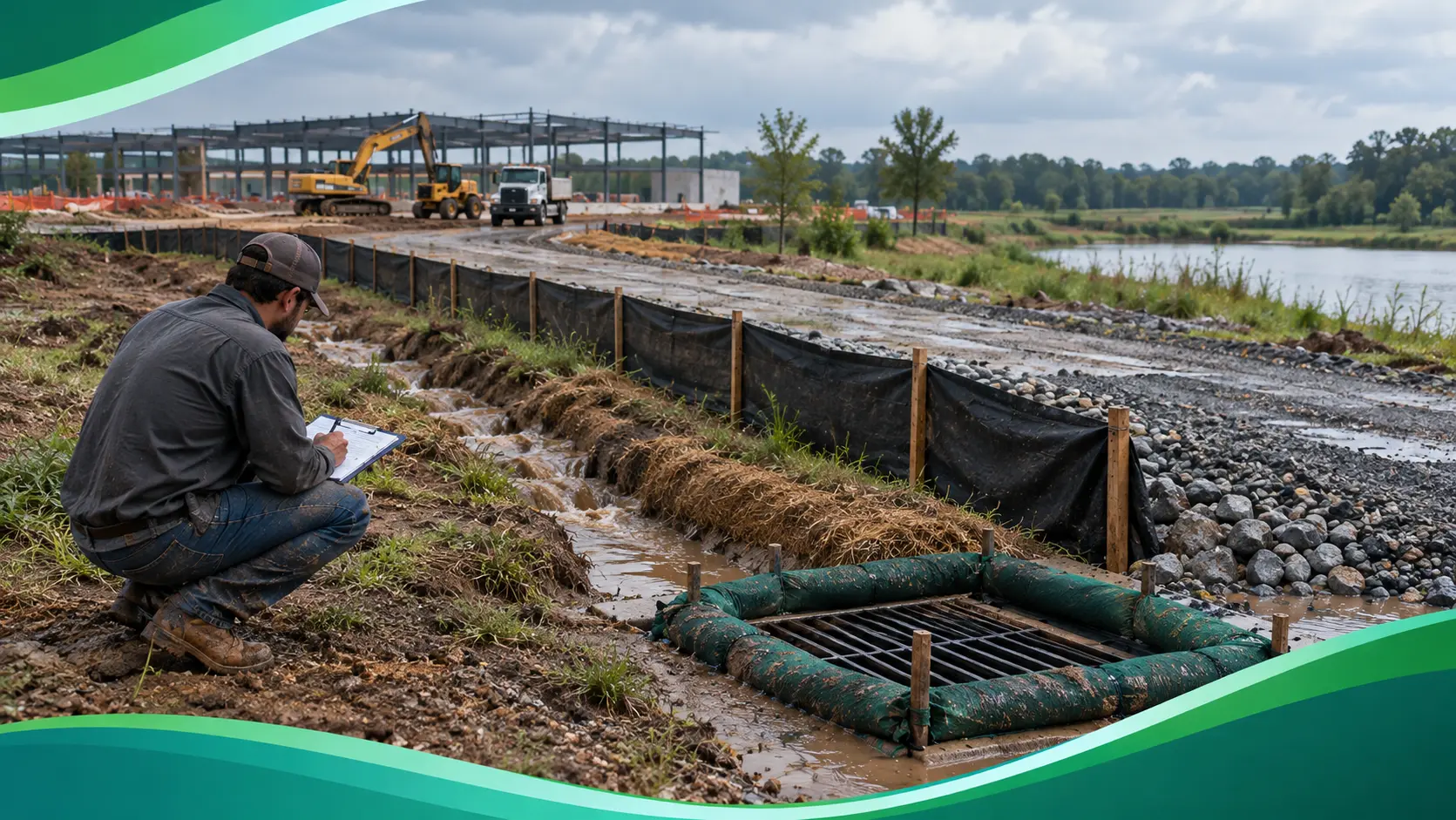
Stormwater runoff can carry soil, chemicals, oil, and other pollutants from construction sites into nearby waterways. Without proper controls, this runoff can damage the environment and lead to costly compliance problems.
For construction companies, developers, and property owners in Texas, stormwater compliance inspections are an important part of responsible site management.
A Stormwater Pollution Prevention Plan (SWPPP) helps identify pollution risks and establish measures to control them. However, preparing a plan is only the beginning. Regular inspections and proper maintenance are essential to keeping a site compliant.
This guide explains Texas stormwater requirements, the importance of inspections, and how professional SWPPP compliance solutions Texas businesses use can support their projects.
Who Should Read This Guide?
This guide is useful for:
● Construction companies
● Commercial property developers
● Industrial facility managers
● General contractors
● Environmental compliance managers
● Property owners
● Project managers
If your project involves land disturbance or stormwater discharge, understanding the inspection process can help prevent delays and regulatory issues.
What Are Stormwater Compliance Inspections?
Stormwater compliance inspections are routine site evaluations used to determine whether stormwater pollution controls are working properly.
These inspections help identify problems before sediment, debris, or other pollutants leave the property.
Inspectors typically review:
● Erosion and sediment controls
● Stormwater drainage areas
● Construction entrances and exits
● Material storage areas
● Waste management practices
● Exposed soil
● Spill prevention measures
● Stormwater discharge points
The findings help site operators determine whether maintenance, repairs, or additional pollution controls are needed.
Why Is SWPPP Compliance Important in Texas?
Texas construction projects may be regulated under the Texas Pollutant Discharge Elimination System (TPDES), administered by the Texas Commission on Environmental Quality (TCEQ).
The state’s Construction General Permit, TXR150000, generally applies to qualifying construction activities that disturb one acre or more, including smaller sites that are part of a larger common plan of development or sale.
Covered construction operators must develop and implement a Stormwater Pollution Prevention Plan before construction begins.
A SWPPP identifies potential pollution sources and describes the Best Management Practices (BMPs) used to control runoff.
These measures can include sediment barriers, stabilized entrances, drainage controls, and proper material storage.
Following the applicable requirements helps reduce pollution risks and supports regulatory compliance.
How Often Are Stormwater Inspections Required?
Inspection frequency depends on the applicable permit and site conditions.
Under the current Texas Construction General Permit, a common inspection schedule requires:
● Inspections at least once every 14 calendar days
● Additional inspections within the required timeframe following qualifying rainfall of 0.5 inches or more
The permit also allows an alternative inspection schedule of at least once every seven calendar days, regardless of rainfall.
Certain stabilized areas and other qualifying conditions have different inspection provisions.
Project operators should follow the inspection schedule established in their SWPPP and the applicable permit requirements.
Regular inspections are particularly important in Houston and other areas of Texas where heavy rainfall can quickly affect exposed construction sites.
What Do SWPPP Inspectors Look For?
Professional SWPPP inspector services help identify potential compliance issues before they become larger problems.
During an inspection, several areas require attention.
- Erosion and Sediment Controls
Inspectors check whether silt fences, sediment traps, inlet protection, and other controls are properly installed and functioning.
Damaged or poorly maintained controls may allow sediment to leave the site. - Construction Entrances
Vehicles entering and leaving construction sites can carry mud and sediment onto public roads.
Inspectors look for sediment tracking and evaluate whether stabilized construction entrances are effective. - Material Storage Areas
Construction materials, fuels, chemicals, and waste must be managed to reduce the risk of stormwater contamination.
Inspectors may identify exposed materials, leaking containers, or inadequate storage practices. - Drainage and Discharge Areas
Inspectors examine areas where stormwater flows through or leaves the property.
Signs of erosion, sediment buildup, unusual discoloration, or other visible pollution indicators may require corrective action. - SWPPP Documentation
Proper documentation is an important part of stormwater compliance.
Inspection reports, maintenance records, corrective actions, and SWPPP updates should be maintained according to applicable permit requirements.
Common Stormwater Compliance Problems
Even well-managed construction sites can develop stormwater problems as work progresses.
Common issues include:
● Damaged silt fences
● Sediment entering storm drains
● Poorly maintained construction entrances
● Unprotected soil stockpiles
● Inadequate waste storage
● Missing inspection records
● Outdated SWPPP documents
● Delayed corrective actions
These issues may result in notices of violation, additional costs, or project delays.
Routine inspections help identify concerns early so the project team can address them promptly.
What Are Stormwater Compliance Solutions?
Stormwater compliance solutions include the planning, inspection, maintenance, and documentation practices used to manage stormwater pollution.
An effective compliance program may involve:
SWPPP preparation: Developing a site-specific plan that identifies pollution sources and appropriate controls.
Routine inspections: Evaluating stormwater controls and identifying maintenance needs.
Erosion control planning: Selecting suitable measures to prevent soil loss.
Corrective action support: Addressing damaged controls, sediment tracking, or other compliance concerns.
Documentation: Maintaining inspection reports and records required by applicable permits.
SWPPP updates: Revising the plan when construction activities or site conditions change.
These services help businesses maintain a more organized approach to stormwater management.
How to Choose Stormwater Compliance SWPPP Companies
Selecting the right environmental consultant can make stormwater compliance easier to manage.
When comparing stormwater compliance SWPPP companies, consider the following factors:
● Experience with Texas stormwater regulations
● Knowledge of TCEQ permit requirements
● Construction site inspection experience
● SWPPP preparation capabilities
● Inspection reporting procedures
● Corrective action support
● Familiarity with local site conditions
A qualified provider should understand both the regulatory requirements and the practical challenges of managing an active construction site.
The goal is to find a team that can help identify risks, recommend suitable controls, and support ongoing compliance.
Benefits of Professional SWPPP Inspector Services
Working with experienced environmental professionals can provide several advantages.
Early Problem Detection
Regular inspections help identify damaged controls, erosion, and other issues before they become more serious.
Better Documentation
Organized inspection records can help demonstrate compliance efforts and support regulatory reviews.
Reduced Project Delays
Identifying and addressing stormwater concerns early may reduce unexpected interruptions.
Improved Environmental Protection
Proper stormwater controls help prevent sediment and other pollutants from entering nearby waterways.
Ongoing Compliance Support
Professional inspectors can help project teams understand their responsibilities as site conditions change.
How SKA Environment Can Help
Managing stormwater compliance requires planning, regular inspections, and attention to changing site conditions.
SKA Environment supports property owners, developers, and contractors with environmental consulting and stormwater management needs.
Our approach focuses on identifying potential environmental risks and helping clients understand the requirements that apply to their projects.
Professional SWPPP compliance solutions in Texas can support:
● Stormwater compliance inspections
● SWPPP preparation and reviews
● Erosion and sediment control evaluations
● Construction site compliance support
● Inspection documentation
● Corrective action recommendations
● Stormwater management planning
Whether you are beginning a construction project or reviewing an existing stormwater program, early planning can help reduce compliance concerns.
Need stormwater compliance support in Texas? Contact SKA Environment to discuss your project and learn how professional SWPPP services can help.
Frequently Asked Questions
Stormwater compliance inspections evaluate construction site conditions, pollution prevention measures, and stormwater controls to identify potential compliance problems.
Under the Texas Construction General Permit, a common schedule requires inspections at least every 14 calendar days and following qualifying rainfall events. An alternative seven-day inspection schedule is also available. Specific requirements depend on the permit and site conditions.
SWPPP inspector services may include site inspections, erosion control evaluations, review of pollution prevention measures, documentation, and corrective action recommendations.
Common problems include damaged sediment controls, inadequate erosion protection, sediment tracking, poor material storage, incomplete inspection records, and failure to maintain required controls.
Experienced consultants can help businesses understand permit requirements, identify potential issues, maintain inspection records, and improve stormwater management practices.
Environmental consulting companies such as SKA Environment can help businesses evaluate their stormwater compliance needs and identify suitable services for their construction projects.