


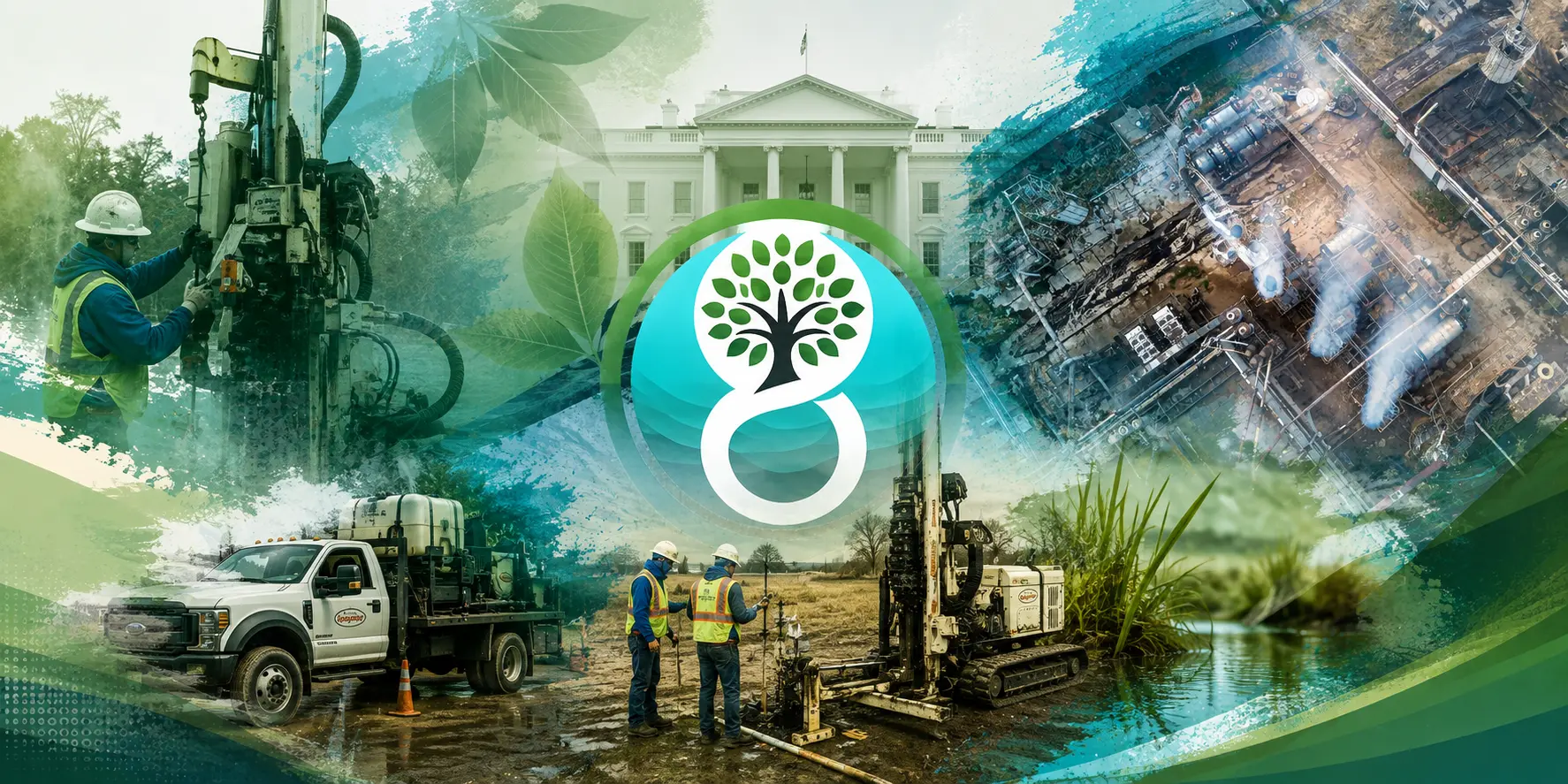
Environmental contamination can create serious problems for a property.
It may delay construction, affect a sale, increase costs, or create legal concerns. In many cases, the best way to move forward is through professional site remediation services.
Remediation is the process of removing, reducing, or managing contamination in soil, groundwater, or other parts of a site.
This guide explains how land remediation services work, when they may be needed, and what property owners should look for when choosing a remediation team.
Who Should Read This Guide?
This guide is useful for:
● Commercial property owners
● Real estate developers
● Industrial facility managers
● Investors and lenders
● Construction companies
● Property buyers and sellers
● Businesses looking for commercial remediation services
● Companies that need site environmental and remediation services
If contamination has been found or suspected on a property, early action can make the next steps easier to manage.
What Are Site Remediation Services?
Site remediation services are used to address environmental contamination on a property.
The goal is to reduce environmental risk and make the site suitable for its current or planned use.
Contamination may come from:
● Fuel leaks
● Underground storage tanks
● Industrial chemicals
● Solvents
● Heavy metals
● Waste disposal
● Past manufacturing activity
● Spills or releases
The type of remediation needed depends on the contaminant, the property, and how the site will be used.
Some projects may only need limited cleanup. Others may require a larger investigation and long-term treatment.
When Are Remediation Services Needed?
Remediation services may be needed when environmental testing confirms contamination.
They can also become part of a property deal after an environmental assessment finds a possible concern.
Common situations include:
● Contamination found during due diligence
● A leaking underground storage tank
● Soil contamination during construction
● Groundwater impacts
● Chemical spills
● Redevelopment of an old industrial site
● Regulatory cleanup requirements
The earlier a problem is identified, the more options a property owner may have.
Waiting can make contamination harder or more expensive to manage.
What Are Land Remediation Services?
Land remediation services focus on cleaning or managing contaminated land.
This often includes contaminated soil, but it may also involve groundwater beneath the property.
The first step is usually to understand the type and extent of contamination.
A consultant may collect soil or groundwater samples and review the property’s history.
Once the problem is understood, a remediation plan can be created.
Common Site Remediation Methods
There is no single cleanup method that works for every site.
The right approach depends on the contaminant and site conditions.
Soil Excavation
Contaminated soil may be removed and taken to an approved disposal facility.
This method can work well when contamination is limited to a specific area.
Soil Treatment
In some cases, soil can be treated instead of removed.
Treatment may reduce contamination or make it less harmful.
Groundwater Treatment
Contaminated groundwater may require pumping, filtering, or other treatment methods.
The process can take longer when contamination has spread through groundwater.
In-Situ Remediation
Some cleanup methods treat contamination while the soil or groundwater remains in place.
This can reduce the need for large excavation work.
Containment
Sometimes, removing all contamination is not the best option.
A site may use barriers, caps, or other controls to prevent exposure and limit movement.
The right solution should match the risk and future use of the property.
Why Commercial Remediation Services Matter
Commercial properties often have more complex environmental histories than residential sites.
A warehouse, factory, fuel station, or industrial property may have had several different uses over many years.
This can make environmental cleanup more difficult.
Professional commercial remediation services help property owners understand:
● What contamination is present
● Where it is located
● How serious the risk may be
● What cleanup options are available
● How remediation may affect the project schedule
● What long-term monitoring may be needed
A clear remediation plan can also help developers and investors make better financial decisions.
The Site Remediation Process
Most remediation projects follow a few basic steps.
- Review the Site
The first step is to understand the property.
Consultants may review old records, environmental reports, maps, site history, and past land uses.
This can help identify possible sources of contamination. - Investigate the Contamination
Environmental testing may be used to determine what is present and how far it has spread.
Samples may be collected from:
● Soil
● Groundwater
● Surface water
● Soil gas
Good data is important because the cleanup plan depends on accurate results. - Create a Remediation Plan
Once the contamination is understood, the environmental team can recommend a cleanup approach.
The plan may consider:
● Type of contaminant
● Contamination levels
● Site conditions
● Property use
● Project schedule
● Cleanup goals
● Cost
The best solution is not always the most aggressive one. It should be suitable for the site’s actual risk.
Dealing with a contaminated property?
SKA Environmental can help evaluate site conditions, plan the right cleanup approach, and support your project through the remediation process. - Complete the Remediation
The approved cleanup work is then carried out.
This may include soil removal, treatment, groundwater cleanup, containment, or a mix of methods.
Environmental monitoring may also take place during the work. - Confirm the Results
After remediation, more testing may be needed.
This helps confirm whether the cleanup goals were met.
Some sites may also require ongoing monitoring or maintenance.
What Are Site Environmental and Remediation Services?
Site environmental and remediation services combine environmental investigation with cleanup planning and support.
This can be useful because the same team can help manage several stages of the project.
Services may include:
● Environmental site assessments
● Soil sampling
● Groundwater testing
● Contamination investigation
● Remediation planning
● Cleanup oversight
● Contractor coordination
● Environmental monitoring
● Reporting and documentation
Using one experienced environmental team can also improve communication throughout the project.
Why Start Remediation Early?
Environmental cleanup can affect the entire project schedule.
If contamination is discovered just before construction begins, work may need to stop while the issue is investigated.
Starting early can give project teams more time to:
● Understand the problem
● Compare cleanup options
● Estimate costs
● Coordinate contractors
● Plan construction around remediation
● Reduce unexpected delays
For buyers, early investigation can also provide useful information during negotiations.
What Are Licensed Site Remediation Professional Services?
Some projects may require support from qualified or licensed environmental professionals, depending on the location and regulatory program.
Licensed site remediation professional services may include oversight of site investigation, remediation planning, cleanup work, and required environmental documentation.
A qualified professional can help make sure the work follows the correct technical and regulatory process.
This is especially important for complex sites where contamination affects soil, groundwater, or nearby properties.
How to Choose a Remediation Company
Environmental cleanup can be costly, so choosing the right team matters.
When comparing providers of remediation services, ask:
● What types of contaminated sites have you worked on?
● Do you provide both investigation and cleanup support?
● Can you explain the remediation options clearly?
● How do you control project costs?
● Can you coordinate with contractors and laboratories?
● Do you provide environmental documentation?
● Can you support long-term monitoring if needed?
A good consultant should explain the risks and options in simple terms.
They should also avoid recommending unnecessary work.
How SKA Environmental Can Help
Contamination does not always mean a property cannot be used or developed.
The key is understanding the problem and choosing the right response.
SKA Environmental provides site remediation services for commercial and industrial properties.
Our team can support projects with:
● Site investigations
● Soil and groundwater testing
● Remediation planning
● Cleanup oversight
● Environmental monitoring
● Documentation
● Contractor coordination
● Commercial remediation services
We also provide site environmental and remediation services to help property owners manage environmental concerns from the first investigation through cleanup.
The goal is to create a practical solution that reduces risk and keeps the project moving.
Frequently Asked Questions
Site remediation services are used to clean, treat, remove, or manage environmental contamination at a property.
Testing helps identify contamination.
Remediation is the process used to address the contamination after it has been found.
The timeline depends on the type of contamination, the size of the affected area, and the cleanup method.Some projects can be completed quickly. Others may require long-term treatment or monitoring.
Not always.
Costs depend on the size of the site, the type of contaminant, and the cleanup method.
Early investigation can help avoid unnecessary work and control costs.
In many cases, yes.
Proper commercial remediation services can help manage environmental risks so that redevelopment can move forward.
A remediation consultant may investigate contamination, create a cleanup plan, coordinate remediation work, review testing results, and prepare environmental reports.
This depends on the location, project, and regulatory requirements.
A qualified environmental consultant can help determine what level of professional oversight is needed.
Need Site Remediation Support?
Environmental contamination can become a much larger problem when it is ignored.
Early investigation and a clear cleanup plan can help reduce risk, control costs, and avoid delays.
SKA Environmental provides land remediation services, environmental testing, cleanup planning, and commercial remediation services for a wide range of properties.
Contact SKA Environmental today to discuss your site and learn which remediation services may be right for your project.