


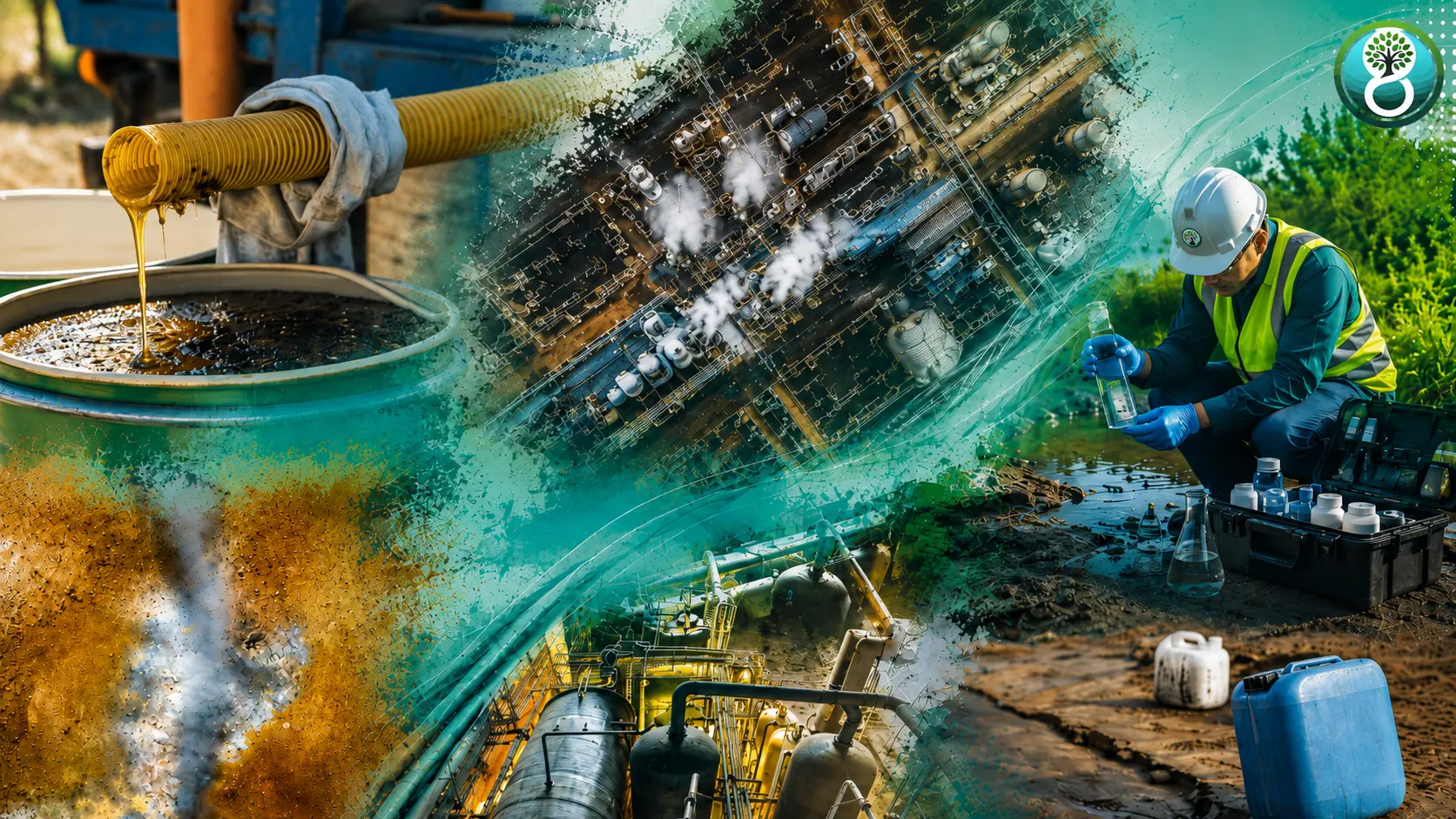
PFAS contamination has become a growing concern for property owners, developers, and investors.
These chemicals can stay in soil and groundwater for a long time. In some cases, they may create cleanup costs, legal risks, or delays during a property deal.
That is why PFAS due diligence is becoming an important part of environmental risk reviews.
A proper review can help you understand whether PFAS may be present, what the risk means for your property, and whether more testing is needed.
This guide explains how PFAS consulting, testing, and environmental review can help reduce risk before a deal or development moves forward.
Who Should Read This Guide?
This guide is useful for:
● Commercial property buyers
● Real estate developers
● Industrial property owners
● Lenders and investors
● Property managers
● Legal and due diligence teams
● Companies looking for PFAS consulting services
● Businesses searching for PFAS consultants Houston
If a property has a history of industrial use or chemical storage, PFAS may be worth a closer look.
What Is PFAS?
PFAS stands for per- and polyfluoroalkyl substances.
They are a large group of man-made chemicals that have been used in many products and industrial processes.
PFAS have been found in items such as:
● Firefighting foam
● Non-stick coatings
● Water-resistant materials
● Food packaging
● Industrial chemicals
● Stain-resistant products
The main concern is that many PFAS chemicals break down very slowly.
They can remain in soil or water for years and may move beyond the original source area.
Because of this, PFAS can create long-term environmental concerns for some properties.
What Is PFAS Due Diligence?
PFAS due diligence is the process of checking whether a property may have PFAS-related environmental risks.
The review may look at:
● Past property use
● Nearby industrial activity
● Chemical storage
● Firefighting foam use
● Waste disposal history
● Groundwater conditions
● Previous environmental reports
The goal is not to assume that PFAS contamination exists.
Instead, due diligence helps identify whether there are signs that more research or testing may be needed.
For buyers, this can be especially important before closing a deal.
Finding a possible PFAS issue early gives you more time to understand the risk and decide how to move forward.
Why Is PFAS Due Diligence Important?
Environmental problems are easier to manage when they are found early.
A PFAS issue discovered after a property purchase can lead to added costs and difficult decisions.
Depending on the site, risks may include:
● More environmental testing
● Cleanup expenses
● Project delays
● Financing concerns
● Legal questions
● Property value issues
● Future regulatory costs
Good PFAS due diligence helps reduce surprises.
It can also give buyers and owners better information before they make major financial decisions.
Which Properties May Have Higher PFAS Risk?
Not every property has the same level of risk.
Some sites may deserve more attention based on how the land was used in the past.
Examples can include:
● Airports
● Fire training areas
● Military sites
● Chemical plants
● Manufacturing facilities
● Landfills
● Waste sites
● Industrial properties
Sites where firefighting foam was used may also need closer review.
A qualified PFAS expert Houston can help determine whether a property’s history suggests that PFAS testing may be worth considering.
What Does PFAS Consulting Include?
Professional PFAS consulting can cover several stages of environmental review.
The exact work depends on the property and the reason for the assessment.
Historical Site Review
A consultant may first review past property uses.
This can include old records, maps, environmental reports, and nearby land uses.
The goal is to identify possible PFAS sources before testing begins.
Risk Screening
The next step may be a basic risk review.
The consultant looks at whether site conditions make PFAS contamination more likely.
This can help decide whether further investigation is needed.
Sampling and Testing
If PFAS is a concern, soil or groundwater samples may be collected.
The samples are then sent to a qualified laboratory for testing.
Testing helps determine whether PFAS is present and at what level.
Results Review
Finding PFAS does not automatically mean a property has a major problem.
The results must be reviewed in context.
Consultants may look at:
● PFAS levels
● Location of contamination
● Groundwater movement
● Property use
● Possible exposure routes
● Future development plans
This helps the project team understand what the results actually mean.
Next-Step Planning
If a concern is found, the consultant can help create a plan.
That may involve more testing, monitoring, cleanup planning, or discussions with the right agencies.
Why Work With PFAS Consulting Services?
PFAS investigations can be more complex than standard environmental testing.
Sampling methods are important because PFAS can be found in many common materials.
Poor sampling practices may affect the results.
Professional PFAS consulting services can help make sure the investigation is planned correctly from the beginning.
A good consultant can also help property owners avoid unnecessary testing.
The goal should be to collect enough information to make a sound decision without adding work that does not provide real value.
Concerned about PFAS risk at a property?
SKA Environmental can help review site history, identify possible PFAS concerns, and plan the right next step for your project.
PFAS and Environmental Due Diligence
PFAS should not always be treated as a separate issue.
In many cases, it is part of a larger environmental due diligence process.
A consultant may review PFAS risk along with other concerns such as:
● Petroleum contamination
● Solvents
● Heavy metals
● Waste disposal
● Underground storage tanks
● Groundwater impacts
This is where environmental consulting PFAS experience becomes useful.
A broader site review helps teams understand whether PFAS is the main issue or only one part of the property’s environmental risk.
PFAS Testing Before a Property Purchase
Testing every property for PFAS is not always necessary.
The decision should depend on site history, surrounding land use, and the goals of the buyer.
For example, a former industrial property may need more review than a site with no known chemical use.
A PFAS consultant can help answer questions such as:
● Is there a likely source of PFAS?
● Was firefighting foam used?
● Are nearby sites known for PFAS-related activities?
● Could groundwater carry contamination onto the property?
● Is testing needed before closing?
These questions help make PFAS due diligence more focused and useful.
How to Choose a PFAS Consultant
Not all environmental projects require the same type of consultant.
For PFAS work, experience with sampling, site history, and environmental risk is important.
When comparing PFAS consultants Houston, consider asking:
● Have you worked on PFAS projects before?
● Can you review property history before recommending testing?
● What types of samples do you collect?
● Which laboratories do you work with?
● How will the results be explained?
● Can you help plan the next step if PFAS is found?
The right consultant should be able to explain the process in clear terms.
What About Leading Companies PFAS Testing Services?
When searching for leading companies PFAS testing services, property owners should look beyond price alone.
PFAS testing depends on both good field work and reliable laboratory analysis.
The quality of the results starts with proper sample collection.
A strong environmental consulting team should help with:
● Sampling plans
● Field collection
● Laboratory coordination
● Result review
● Risk interpretation
● Follow-up planning
Testing is only useful when the results help you make a better decision.
How SKA Environmental Can Help
PFAS concerns can be difficult to judge without the right site information.
SKA Environmental helps property owners, developers, investors, and project teams review environmental risks before they become larger problems.
Our PFAS consulting services can support:
● PFAS due diligence
● Site history review
● Environmental risk screening
● Sampling planning
● Soil and groundwater testing
● Laboratory coordination
● Results review
● Follow-up investigation planning
For businesses looking for PFAS consultants Houston, our team can help determine whether testing is needed and what steps make sense for the property.
The goal is simple: find the right level of risk early and help you make a more informed decision.
Frequently Asked Questions
PFAS due diligence is the process of reviewing a property for possible PFAS-related environmental risks before a purchase, loan, or development project.
No.
Testing should usually depend on the property’s past use, nearby activities, and possible PFAS sources.
A consultant may review site history, identify possible PFAS sources, plan testing, coordinate laboratory work, and explain the results.
There is no single timeline that applies to every project. The duration can depend on the project’s complexity, environmental issues, technical studies, agency coordination, and the level of NEPA review required.
It can.
A possible PFAS concern may affect due diligence, financing, cleanup planning, or negotiations between buyers and sellers.
Look for a PFAS expert Houston with experience in environmental site assessments, PFAS sampling, laboratory coordination, and environmental due diligence.
Need PFAS Due Diligence Support?
PFAS risk is easier to manage when it is identified before a property deal or project is complete.
A focused review can help you decide whether testing is needed and avoid unnecessary surprises later.
If you need PFAS consulting, site review, or testing support, SKA Environmental can help.
Our team provides practical PFAS consulting services for property owners, developers, and project teams in Houston and across Texas.
Contact SKA Environmental today to discuss your property and the next step in your PFAS due diligence process.