


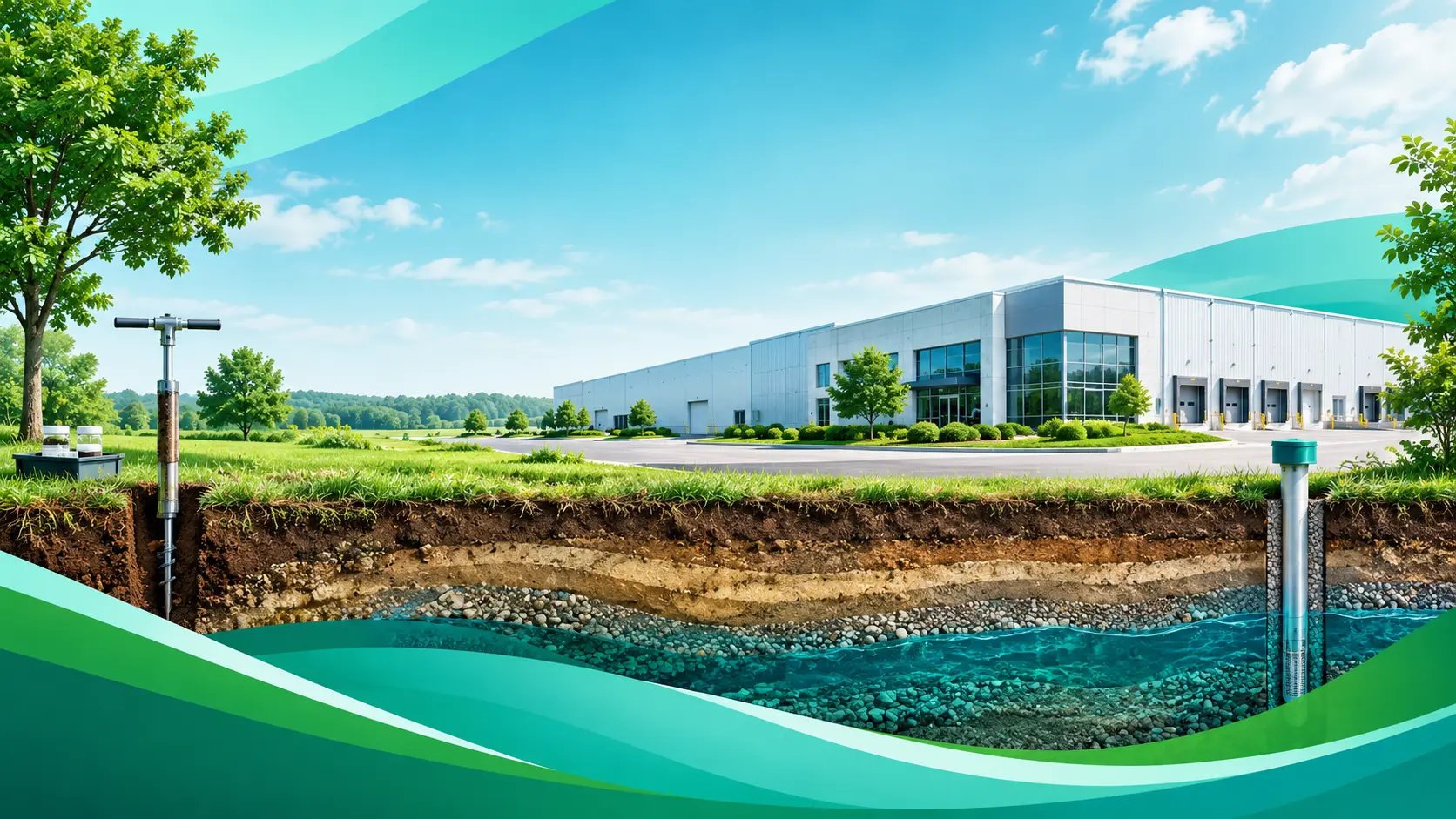
Buying or developing commercial property involves more than checking its location, price, and building condition. Hidden environmental problems can affect property value, delay construction, and create unexpected expenses.
That is why environmental due diligence is an important step in commercial real estate transactions.
A qualified environmental due diligence consultant can help identify potential contamination, review a property’s history, and evaluate environmental risks before a purchase is completed.
This guide explains how environmental due diligence works, what to include in an environmental due diligence checklist, and why a Phase 1 Environmental Site Assessment matters.
Who Should Read This Guide?
This guide is useful for:
● Commercial property buyers
● Real estate investors
● Property developers
● Banks and lenders
● Industrial property owners
● Real estate attorneys
● Asset managers
● Companies involved in mergers and acquisitions
If you are purchasing, refinancing, or redeveloping commercial property, environmental due diligence can help you make informed decisions.
What Is Environmental Due Diligence?
Environmental due diligence is the process of evaluating a property’s environmental history and potential contamination risks before completing a transaction.
The goal is to identify concerns that could affect property use, value, development, or regulatory compliance.
Environmental due diligence may involve reviewing:
● Previous industrial activities
● Underground storage tanks
● Hazardous chemical storage
● Soil contamination
● Groundwater contamination
● Historical spills
● Environmental permits
● Regulatory violations
● Nearby contamination sources
The findings help buyers understand potential environmental liabilities before taking ownership.
What Does an Environmental Due Diligence Consultant Do?
An environmental due diligence consultant evaluates potential environmental concerns associated with a property.
The consultant reviews available records, examines current site conditions, and identifies issues that may require further investigation.
Common responsibilities include:
Property History Review
The consultant researches previous uses of the property to identify activities that may have involved hazardous substances or petroleum products.
Site Inspection
A visual inspection helps identify potential environmental concerns, including storage tanks, chemical containers, stained soil, and waste storage areas.
Regulatory Research
The consultant reviews relevant environmental databases and government records to identify known contamination or regulatory concerns.
Environmental Reporting
Findings are documented in a report that explains identified risks and potential next steps.
Working with an experienced consultant can help buyers understand environmental concerns before they become expensive problems.
What Is ASTM Environmental Due Diligence?
ASTM environmental due diligence refers to assessments conducted using standards developed by ASTM International.
One of the most widely used standards is ASTM E1527-21, which provides a framework for conducting Phase I Environmental Site Assessments.
The standard establishes procedures for identifying Recognized Environmental Conditions (RECs) associated with a property.
A REC generally involves the presence or likely presence of hazardous substances or petroleum products due to a release, likely release, or conditions posing a material threat of future release.
ASTM E1527-21 is recognized by the Environmental Protection Agency (EPA) as consistent with its All Appropriate Inquiries requirements.
Following the applicable standard can help buyers complete environmental due diligence and support eligibility for certain federal landowner liability protections when other legal requirements are also satisfied.
What Is Environmental Due Diligence Phase 1?
An environmental due diligence Phase 1 assessment, commonly called a Phase I Environmental Site Assessment (ESA), is often the first step in evaluating environmental risks.
A Phase I ESA typically includes:
● Historical property research
● Environmental database reviews
● Regulatory record searches
● Site reconnaissance
● Interviews with relevant parties
● Evaluation of adjoining properties
● Identification of Recognized Environmental Conditions
● Preparation of a written report
A standard Phase I ESA generally does not include soil or groundwater sampling.
If the assessment identifies a potential environmental concern, additional investigation may be recommended.
This may involve a Phase II Environmental Site Assessment.
Environmental Due Diligence Checklist
A detailed environmental due diligence checklist helps property buyers review important environmental factors before closing a transaction.
- Review Historical Property Uses
Determine how the property was used in the past.
Former gas stations, dry cleaners, manufacturing facilities, and industrial sites may have a greater potential for environmental concerns. - Check Environmental Records
Review available government databases for contamination incidents, environmental permits, spills, and regulatory enforcement actions. - Inspect the Property
Look for visible signs of potential environmental problems, such as:
● Stained soil
● Chemical containers
● Storage tanks
● Waste disposal areas
● Unusual odors
● Distressed vegetation
These observations may help identify areas that need further evaluation. - Review Previous Environmental Reports
Check whether earlier Phase I or Phase II assessments, remediation reports, or regulatory closure documents are available. - Evaluate Nearby Properties
Environmental contamination does not always remain within property boundaries.
Nearby industrial facilities, gas stations, and other historical land uses may present potential concerns. - Identify Environmental Restrictions
Review available information about environmental liens, activity and use limitations, and land-use restrictions that could affect future development. - Determine Whether Further Testing Is Needed
If the Phase I ESA identifies concerns, additional sampling or investigation may be appropriate.
Using this checklist can help buyers organize their environmental review and understand which issues require professional attention.
What Happens After a Phase I Environmental Assessment?
The next step depends on the assessment findings.
If no RECs are identified, the buyer may be able to proceed without further investigation, subject to transaction requirements.
If a REC is identified, a Phase II ESA may be recommended.
A Phase II assessment can involve:
● Soil sampling
● Groundwater testing
● Soil vapor sampling
● Laboratory analysis
● Additional site investigations
The results help determine whether contamination is present and whether remediation or other risk-management measures are necessary.
Finding contamination does not automatically mean a transaction must be canceled. It provides information that can help buyers evaluate cleanup costs, negotiate purchase terms, or develop a management plan.
Why Are Environmental Due Diligence Services Important?
Professional environmental due diligence services offer several benefits.
Identify hidden risks: Environmental assessments can uncover potential contamination that may not be visible during a routine property inspection.
Support informed decisions: Buyers can evaluate environmental concerns before committing to a transaction.
Reduce unexpected expenses: Early identification of potential issues can help buyers budget for further investigation or remediation.
Support financing: Many commercial lenders require environmental assessments as part of their financing process.
Plan redevelopment: Understanding site conditions early can help developers avoid unexpected environmental delays.
Environmental due diligence is not just about regulatory compliance. It is also an important part of managing investment risk.
When Should Environmental Due Diligence Be Completed?
Environmental due diligence should ideally begin before a commercial property transaction closes.
Starting early allows time for records research, site inspections, report preparation, and any necessary follow-up investigations.
For assessments intended to satisfy EPA All Appropriate Inquiries requirements, certain Phase I ESA components generally must be completed or updated within 180 days before acquisition. Other components may remain valid for up to one year.
Buyers should discuss assessment timing with their environmental consultant, particularly when closing dates change.
How SKA Environment Can Help
Environmental risks can affect property transactions, construction schedules, and long-term investment decisions.
SKA Environment supports property owners, developers, investors, and lenders with environmental consulting and due diligence needs.
Our services can help clients evaluate potential environmental concerns through:
● Environmental due diligence services
● Phase I Environmental Site Assessments
● Phase II Environmental Site Assessments
● Environmental site investigations
● Regulatory record reviews
● Soil and groundwater assessments
● Environmental risk evaluations
● Remediation planning support
Working with an experienced environmental consulting team can help identify concerns early and provide a clearer understanding of potential property risks.
Planning to purchase, finance, or develop commercial property? Contact SKA Environment to discuss your environmental due diligence needs before moving forward.
Frequently Asked Questions
Environmental due diligence is the process of evaluating potential environmental risks associated with a property before a purchase, financing, or development decision.
An environmental due diligence consultant reviews property history, regulatory records, and site conditions to identify potential environmental concerns and recommend appropriate next steps.
An environmental due diligence checklist commonly includes historical property research, regulatory database reviews, site inspections, previous environmental reports, nearby property evaluations, and potential contamination concerns.
ASTM environmental due diligence involves following recognized ASTM standards, such as ASTM E1527-21, when conducting Phase I Environmental Site Assessments.
Generally, no. A Phase I ESA primarily involves records research, interviews, and visual inspection. Soil and groundwater sampling are typically performed during a Phase II investigation.
Professional environmental due diligence services can help identify potential contamination, evaluate property risks, support financing requirements, and reduce the likelihood of unexpected environmental costs.