


In the world of commercial real estate, the Phase 1 Environmental Site Assessment (ESA) is often viewed through a narrow lens. To many investors, developers, and property managers, it is a “necessary evil”—a technical hurdle required by lenders to secure a mortgage or by insurance companies to issue a policy. It is frequently seen as a static document that sits in a digital folder once the deal is closed.
However, viewing a Phase 1 ESA as merely a compliance tool is a missed opportunity. When leveraged correctly, this assessment serves as a master blueprint for proactive property maintenance. It provides a deep-dive diagnostic of a property’s physical and historical health, allowing owners to address “silent” issues before they evolve into catastrophic financial liabilities.
In this guide, we explore how a Phase 1 ESA shifts the paradigm from reactive repairs to a strategic, proactive maintenance philosophy.
Unearthing Legacy Infrastructure Risks
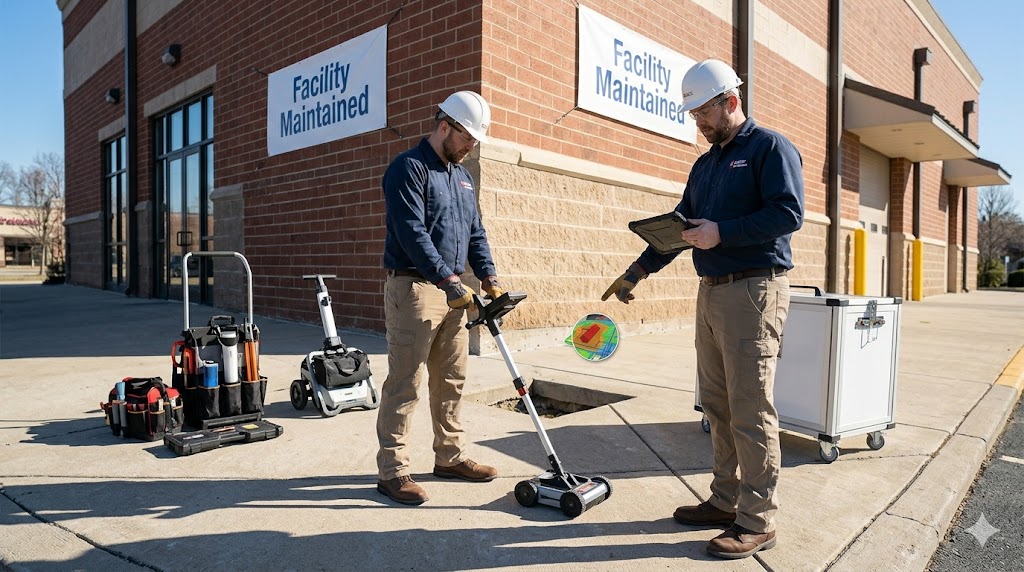
A Phase 1 ESA is essentially a forensic investigation of a property’s past and present. While a standard building inspection looks at the roof and the HVAC, the ESA looks at what lies beneath and behind the walls.
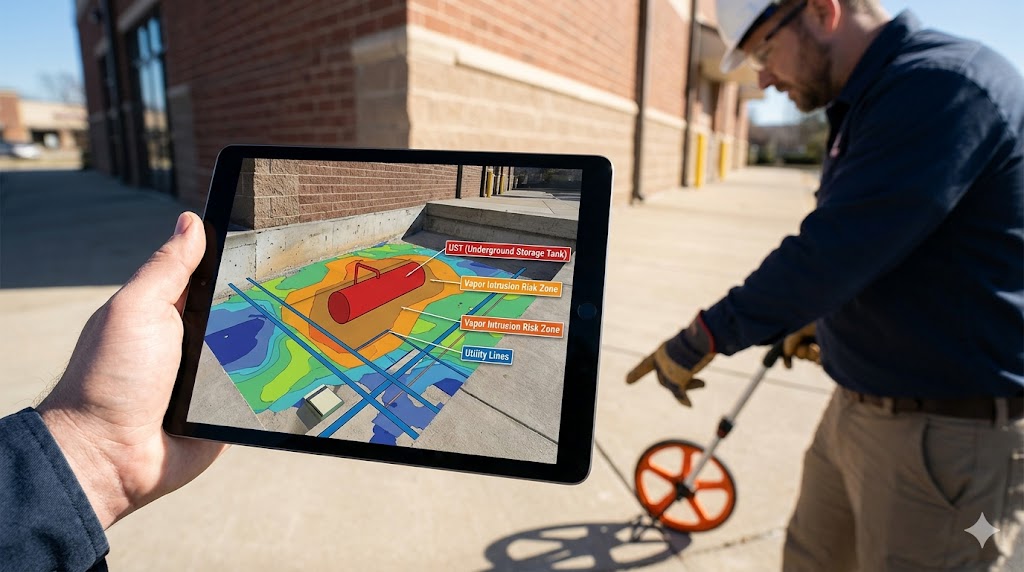
One of the most common proactive wins is the discovery of Underground Storage Tanks (USTs) or Oil-Water Separators that have long since been forgotten. For an older industrial or retail site, these systems are “ticking time bombs.” By identifying their presence through historical Sanborn maps and site reconnaissance, maintenance teams can decommission or remove them before they fail. Preventing a leak is exponentially cheaper than remediating soil and groundwater—a process that can easily reach six or seven figures.
Strategic Management of Hazardous Materials
For properties built prior to the late 1970s, materials like Asbestos-Containing Materials (ACM) and Lead-Based Paint (LBP) are common. While a Phase 1 ESA identifies “Recognized Environmental Conditions” (RECs), it sets the stage for a specialized survey.
By integrating the findings of an ESA into your long-term maintenance schedule, you can:
- Coordinate Abatement with Renovation: Instead of discovering asbestos during an emergency pipe repair, you can plan for its removal during scheduled upgrades.
- Prevent Exposure: Proactive monitoring of the condition of these materials ensures they remain “non-friable” (not easily crumbled), keeping the environment safe for tenants and avoiding OSHA violations
Mitigating Vapor Intrusion and Air Quality Issues
Modern environmental science has placed a heavy emphasis on vapor intrusion—the process by which volatile organic compounds (VOCs) from contaminated soil or groundwater migrate into the air of a building.
A proactive Phase 1 ESA evaluates not just your property, but the neighboring sites. If a dry cleaner two blocks away had a spill in the 1990s, an ESA identifies the risk of that plume migrating toward your basement. Armed with this knowledge, a proactive owner can install sub-slab depressurization systems or vapor barriers as part of routine foundation maintenance, ensuring high indoor air quality (IAQ) and protecting tenant health.
Precision Budgeting for Capital Expenditures (CapEx)
Property maintenance is a game of cash flow management. The “hidden” data in an ESA allows for more accurate Capital Improvement Plans.
When you know the environmental limitations of your site, you don’t waste money on surface-level aesthetics that will eventually be torn up to address underlying soil issues. It allows you to prioritize high-risk areas—such as sealing an old hydraulic lift pit in an automotive bay—before it becomes a source of contamination. This transparency ensures that your maintenance budget is spent where it provides the highest Return on Investment (ROI) and the lowest risk.
Comparison: Reactive vs. Proactive Maintenance via ESA
| Feature | Reactive Approach (No ESA Data) | Proactive Approach (ESA Integrated) |
|---|---|---|
| Budgeting | Surprise costs during renovations. | Costs forecasted 3–5 years in advance. |
| Tenant Relations | Emergency closures for “unexpected” spills. | Maintenance performed during planned outages. |
| Liability | High risk of “Third Party” lawsuits. | Documented “Due Diligence” protects ownership. |
| Property Value | Degrades as environmental risks linger. | Increases due to “Clean Site” certification. |
Strengthening Your “Innocent Landowner” Defense
Maintenance isn’t just about hammers and nails; it’s about legal maintenance. Under the Comprehensive Environmental Response, Compensation, and Liability Act (CERCLA), property owners can be held liable for contamination they didn’t even cause.
Performing a Phase 1 ESA that meets ASTM E1527-21 standards is the only way to qualify for the Innocent Landowner Defense. Maintaining this “due diligence” status is a proactive legal strategy that ensures that if an issue is discovered later, the burden of the cleanup cost doesn’t automatically fall on your shoulders.
Conclusion: The ESA as a Competitive Advantage
The shift from viewing a Phase 1 ESA as a “closing cost” to a “maintenance tool” is what separates savvy investors from the rest. By utilizing the data gathered during the assessment, you can identify infrastructure weaknesses, protect tenant health, and safeguard your asset’s valuation.